








Design Tips, Office Furniture
Why Ergonomic Furniture Is a Must for Your Home Office
Aug
You sit down to work. By mid-morning, your back starts to ache. Your neck feels tight. Your wrists tingle after typing all morning. You shift in your seat, stretch, maybe even stand up for a minute, but the discomfort keeps coming back.
If this sounds like your daily routine, your furniture might be the problem.
At Modern Sense Furniture, we’ve seen it happen again and again. People turn spare rooms, dining tables, or corners of the bedroom into full-time offices. They buy what’s cheap or convenient. But over time, that choice takes a toll on their body and their work.
The solution isn’t just a new chair. It’s a complete shift in how you think about your workspace. It starts with choosing the right ergonomic furniture.
What Exactly Is Ergonomic Furniture
Ergonomic furniture isn’t just a buzzword. It’s designed around how your body moves and works. Every detail, from seat depth to monitor height, is meant to support your natural posture and reduce strain.
Think about your car. You adjust the seat, mirrors, and steering wheel to fit your body. You wouldn’t drive long distances in a fixed, uncomfortable position. So why work eight hours a day in a chair that doesn’t support you?
Real ergonomic furniture adapts to you. It lets you sit, stand, and move in ways that keep your spine aligned, your joints relaxed, and your energy up.
The Hidden Cost of a Poor Ergonomic Home Office Setup
Most people don’t notice the damage until it’s too late. That soft dining chair feels fine at first. But after weeks of slouching, your lower back starts to protest. You lean forward to see your laptop, and soon your neck aches every night.
You’re not imagining it. The numbers are clear.
If you’re working from home, the risk may be even higher. A 2023 FlexJobs survey found that 85% of remote workers report neck or back pain, many of them using dining chairs, makeshift desks, or laptops on couches. Without proper ergonomic furniture, your home office could be slowly undermining your health, one uncomfortable hour at a time.
It’s not just about pain. Poor posture leads to fatigue, distraction, and slower work. You end up taking more breaks, losing focus, and feeling drained by 3 p.m.
That’s the real cost of skipping ergonomic furniture. It’s not just discomfort, it’s lost time, lost energy, and long-term health risks.
How Ergonomic Furniture Protects Your Body
When your workspace is set up correctly, your body works better. Here’s how the right furniture makes a difference.
Supports Natural Spine Alignment
A good ergonomic chair supports the natural S-curve of your spine. The lumbar zone fits snugly into your lower back, preventing slouching and reducing pressure on spinal discs.
Without this support, your spine collapses into a C-shape. That’s what causes that deep, nagging ache after hours of sitting.
Reduces Wrist and Shoulder Strain
When your keyboard is too high or too far away, your wrists bend upward and your shoulders hunch. Over time, this can lead to carpal tunnel syndrome or tendonitis.
Ergonomic desks and keyboard trays keep your arms at a 90-degree angle, wrists straight, and shoulders relaxed.
Prevents Eye and Neck Fatigue
If your monitor is below eye level, you’re looking down. That forces your neck into a forward tilt, straining muscles and nerves.
A monitor stand or arm raises your screen so you’re looking straight ahead. That small change can eliminate headaches and neck tension.
Encourages Movement and Better Circulation
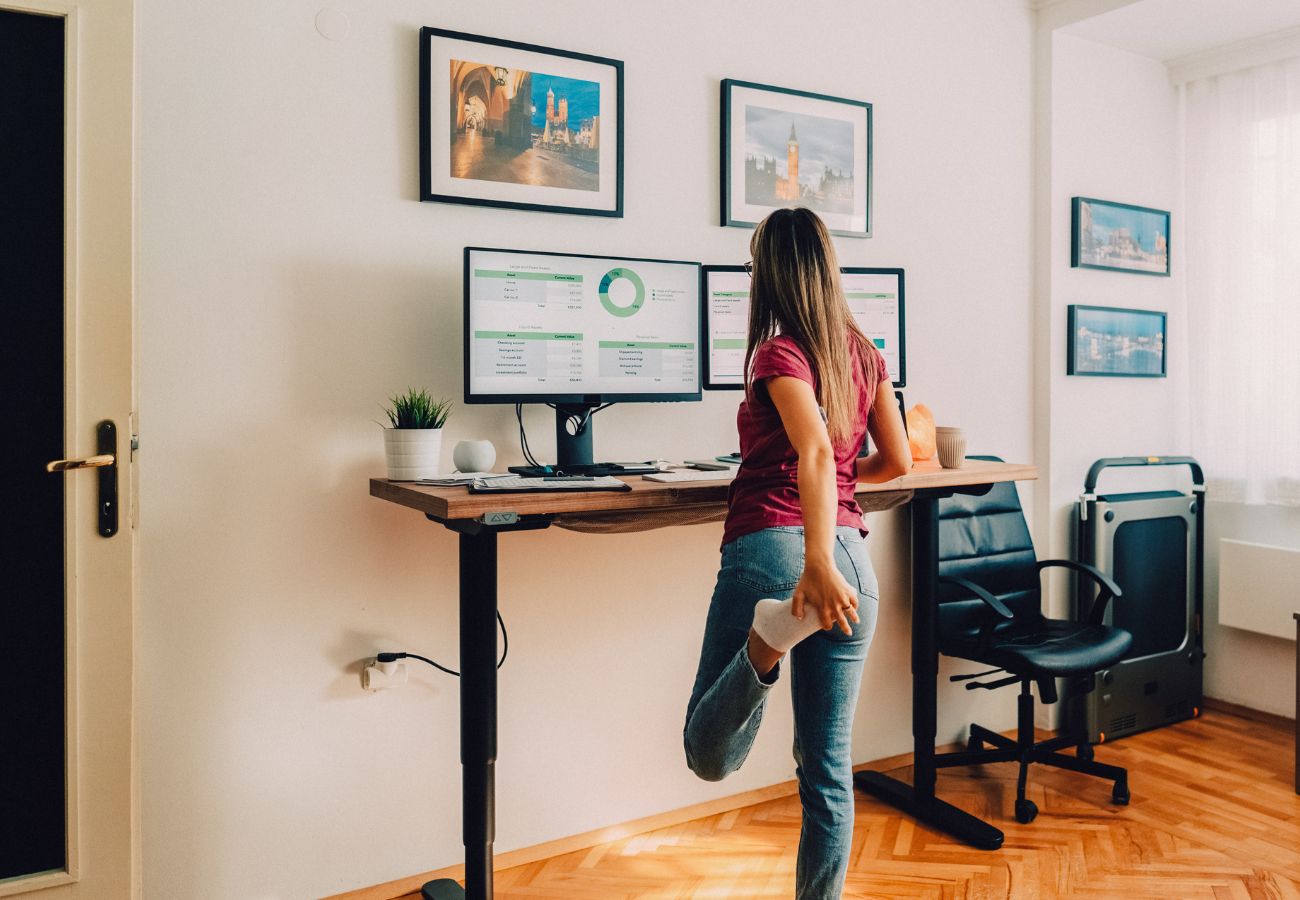
Sitting all day slows blood flow, increases fatigue, and raises the risk of heart issues. Sit-stand desks let you alternate positions throughout the day.
Even standing for 15 to 30 minutes every hour improves circulation, reduces back pressure, and helps you stay alert.
What Makes Furniture Truly Ergonomic
Not every chair labeled “ergonomic” is built the same. Some brands use the term loosely. Real ergonomic furniture has specific, adjustable features that match your body.
Key Features to Look For
- Adjustable seat height: Your feet should rest flat on the floor, knees at 90 degrees.
- Seat depth and width: You should be able to sit back fully with 2–4 inches between the seat edge and the back of your knees.
- Contoured lumbar support: It should fit your lower back, not push against it or leave it hanging.
- Adjustable armrests: Height, width, and angle matter. Your arms should rest naturally, not hang or hike up.
- Swivel base and smooth casters: Lets you move without twisting your spine.
For desks, look for electric height adjustment, a stable frame, and built-in cable management. These aren’t luxuries, they’re essentials for a functional workspace.
Ergonomic Furniture Comparison Table
Feature |
Standard Office Chair |
Ergonomic Office Chair |
Sit-Stand Desk |
Standard Desk |
|---|---|---|---|---|
| Lumbar Support | Minimal or none | Adjustable, contoured support | N/A | None |
| Seat Height Adjustment | Often fixed | Fully adjustable | N/A | Fixed |
| Armrest Adjustability | Rare | Height, width, angle adjustable | N/A | None |
| Desk Height Flexibility | N/A | N/A | Electric height adjustment | Fixed height |
| Health Benefits | Low | High – reduces back, neck, wrist pain | Improves circulation, reduces sitting risks | None |
| Productivity Impact | Decreases over time due to pain | Increases with comfort and focus | Boosts energy and mental clarity | Limited by discomfort |
| Long-Term Value | Low – wears out quickly | High–durable, long-lasting | High – promotes health and longevity | Low – inflexible and outdated |
Must-Have Ergonomic Furniture for Your Home Office
You don’t need everything at once. But these core pieces make the biggest difference.
Ergonomic Office Chairs: Where You Spend Most of Your Day
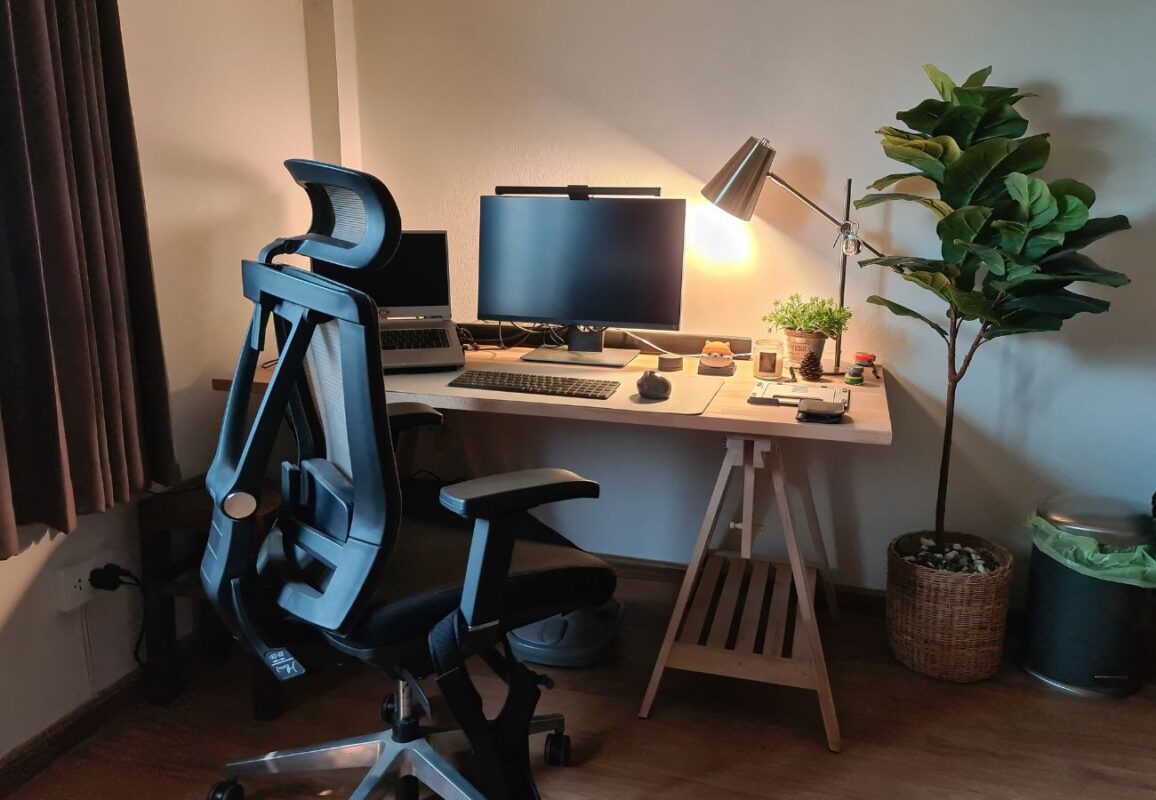
Let’s be honest, if you work from home, your chair is basically your co-worker. You spend hours together every day. So why is it that so many of us are stuck in dining room seats, old computer stools, or plush couches that feel great at first but leave us sore by noon?
A real ergonomic office chair isn’t just padded, it’s built to support how your body actually works. Look for:
- Adjustable height so your feet rest flat
- Lumbar support that fits the curve of your lower back
- Breathable fabric or mesh to keep you cool
- Arms you can adjust up, down, and in
- A seat that lets you sit back fully without pressure behind your knees
These aren’t extras. They’re what keep you working longer, thinking clearer, and feeling better at the end of the day.
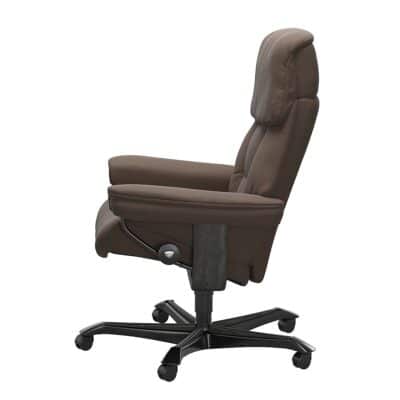
What About Stressless Chairs?
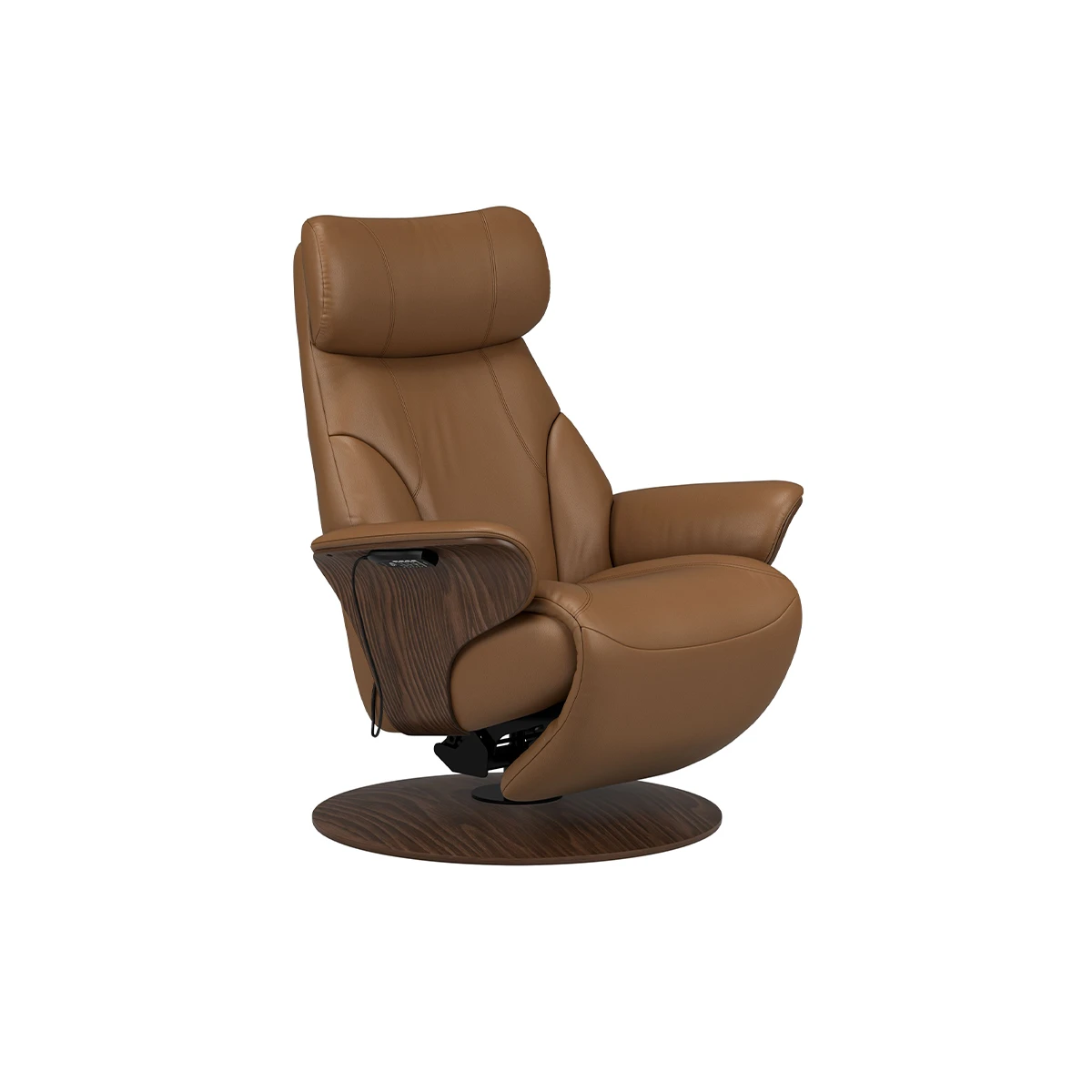
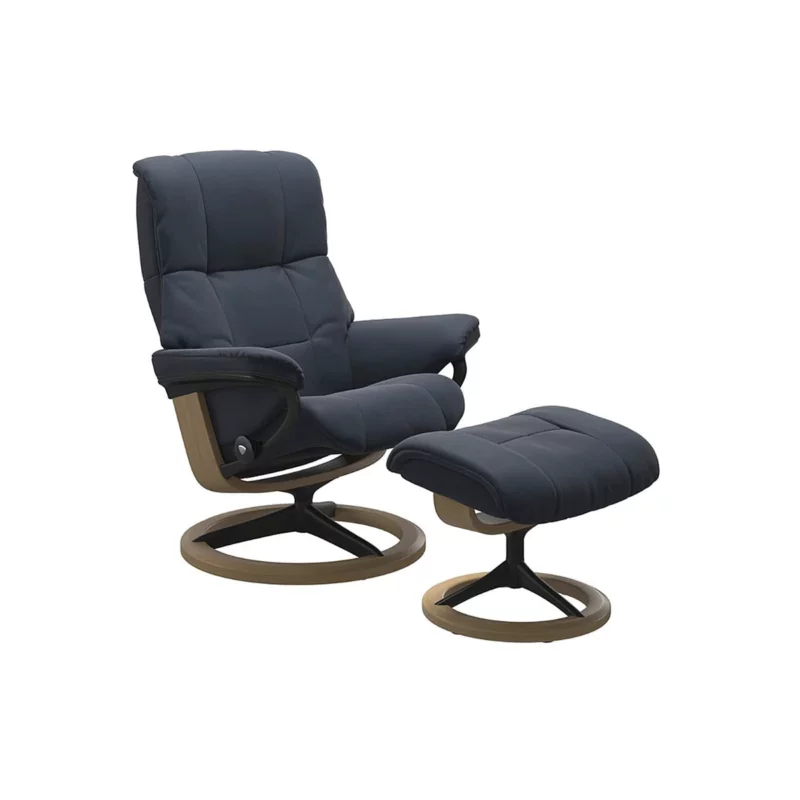
You might be wondering about Stressless chairs, the ones known for their smooth recline and deep comfort. While they’re not designed as task chairs for full-day desk work, some people love them for lighter use, like reading, video calls, or short work sessions.
They offer great lumbar support and a unique glide system that moves with you, which can feel amazing during breaks or relaxed work. But they usually lack adjustable arms, seat depth, or proper height for typing, so they’re better as a secondary seat than your main office chair.
If comfort is your top priority and you’re not typing all day, shopping for a stressless chair can be a cozy addition. But for real, long-term ergonomic support, nothing beats a fully adjustable office chair built for the way you work.
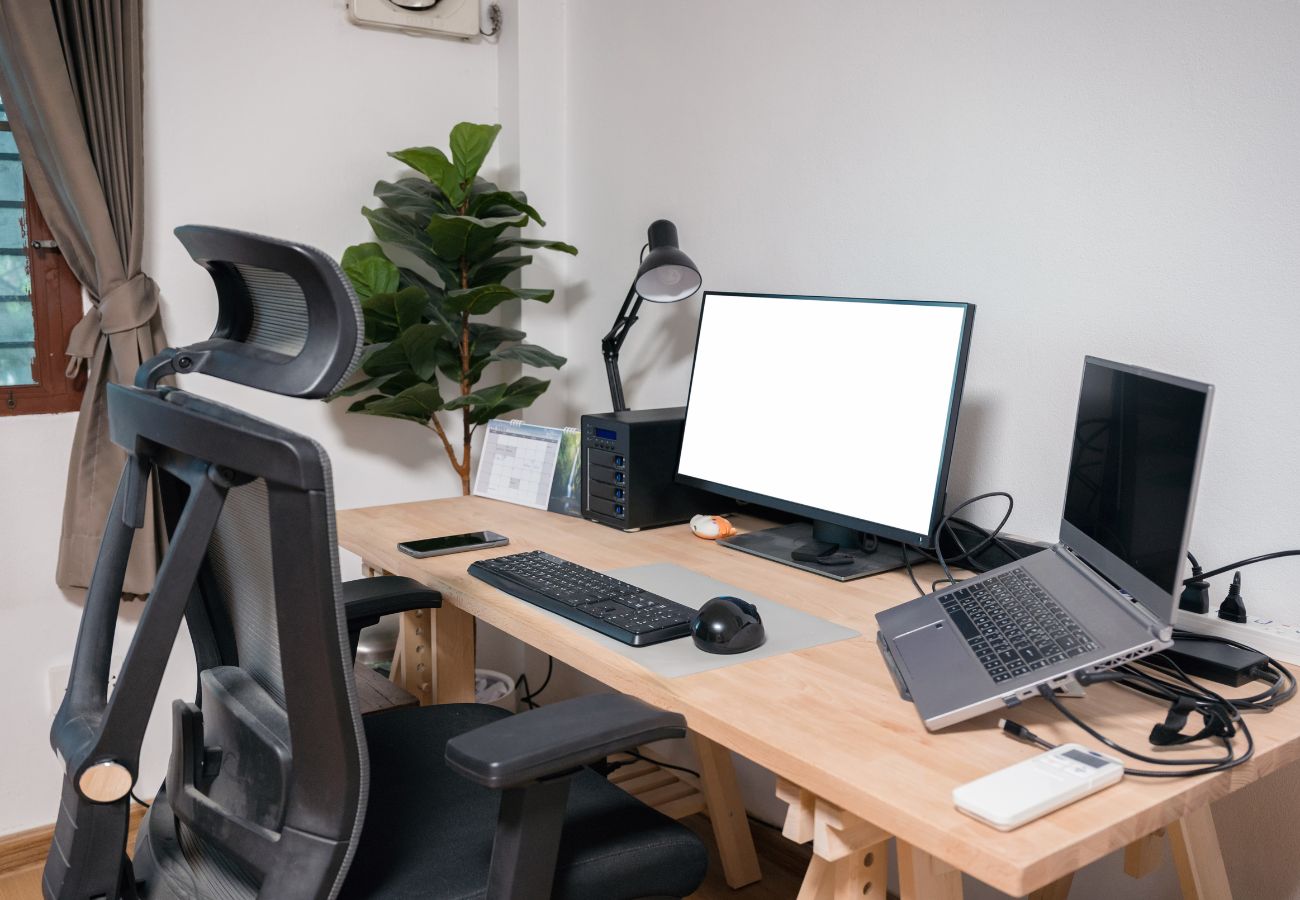
Sit-Stand Desks
Sitting all day takes a toll, no matter how good your chair is. The truth is, our bodies weren’t built to stay in one position for hours. The good news? A sit-stand desk makes it easy to change things up without disrupting your focus.
With just the touch of a button, you can smoothly switch from sitting to standing, helping you stay alert, improve circulation, and reduce lower back pressure. It’s not about standing all day, it’s about moving more. Even 15 to 30 minutes of standing every hour can make a real difference in how you feel by 5 p.m.
Shop for desks with electric height adjustment and memory presets. That way, you can save your perfect sitting and standing heights, no guessing, no daily measuring. A stable frame and quiet motor matter too, so your desk doesn’t wobble or buzz during calls. This isn’t just furniture. It’s a small change that supports your health, energy, and productivity, one shift at a time.
Monitor Arms and Stands
Keep your screen at eye level and about an arm’s length away. This prevents neck strain and keeps your posture neutral.
Arms are especially useful; they pivot, swivel, and free up desk space.
Keyboard Trays and Ergonomic Keyboards
A tray under your desk keeps your typing surface at elbow height. This prevents wrist bending and shoulder tension.
Split or tented keyboards keep your hands in a natural position, reducing strain during long typing sessions.
Footrests and Anti-Fatigue Mats
If your feet don’t reach the floor, a footrest supports your legs and improves circulation.
For standing desks, an anti-fatigue mat encourages micro-movements that reduce joint pressure and keep you comfortable longer.
Desk Organizers and Cable Trays
Clutter stresses your mind. A clean desk helps you focus.
Use trays, bins, and cable sleeves to keep cords and supplies out of the way. An organized workspace isn’t just pretty, it’s more efficient.
How to Set Up Your Ergonomic Workspace
Buying the right furniture is only half the battle. You have to set it up correctly.
Step-by-Step Setup Guide
- Start with your chair. Adjust the height so your feet are flat and your knees are at 90 degrees. Sit all the way back so your lower back is supported.
- Set your armrests. They should support your elbows at a 90-degree angle when typing.
- Position your monitor. Top of the screen at or slightly below eye level. About 20–30 inches from your face.
- Place your keyboard and mouse close. No reaching. Wrists should stay straight.
- Use a footrest if needed. Especially if you’re shorter or your chair is high.
- Alternate sitting and standing. Start with 15 minutes standing per hour. Build up as you get used to it.
Lighting matters too. Avoid glare on your screen. Use a mix of overhead and task lighting to reduce eye strain.
Common Mistakes People Make
Even with good intentions, people often get it wrong.
- Using a dining chair as an office chair, no lumbar support, and wrong height.
- Placing a laptop directly on the desk, forces neck down, arms up.
- Buying a standing desk but never using it, consistency is key.
- Ignoring cable clutter, trips, distractions, and poor airflow.
- Skipping the footrest, leads to poor leg circulation and back strain.
Small oversights add up. Take the time to set things up right the first time.
Why This Is a Smart Long-Term Investment
Yes, quality ergonomic furniture costs more upfront. But think about what you’re really paying for.
Is it just a chair? Or is it years of pain-free work, better focus, and fewer doctor visits?
Well-built ergonomic furniture lasts 10 years or more. It’s made with high-resilience foam, durable frames, and tested mechanisms. Cheap chairs sag, break, and need replacing every few years.
At Modern Sense Furniture, we use premium materials and craftsmanship so you’re not replacing furniture every few years. You’re investing in a workspace that lasts.
Finding the Right Fit for Your Space and Budget
You don’t need a huge room or a big budget to go ergonomic.
For small spaces, consider compact sit-stand desks or wall-mounted options. Slim-profile chairs tuck neatly under desks when not in use.
If you’re on a budget, start with the chair. It’s the most important piece. Add a monitor riser, then a keyboard tray, then a footrest over time.
We offer a range of ergonomic furniture options so you can build your ideal setup at your own pace.
How to Choose What’s Right for You
Everyone’s body and routine are different. Here’s how to pick what works for you.
Ask yourself:
- Do you sit all day or switch between sitting and standing?
- Do you type a lot? Then wrist support is key.
- Do you have back pain? Prioritize lumbar support.
- How much space do you have?
Try before you buy if possible. Sit in chairs, adjust desks, test armrests. Notice how your body feels after five minutes.
If shopping online, read real customer reviews. Look for feedback on comfort, durability, and ease of assembly.
Make the Change to Ergonomic Furniture Today
If you’re tired of aching after work, if you want to feel more energized and focused, start with your furniture.
Explore our collection of office furniture at Modern Sense Furniture. From supportive chairs to height-adjustable desks, we have everything you need to build a healthier, more productive home office.
Your body works hard for you. Give it the support it deserves. When you look at the full picture, the choice is clear. Ergonomic furniture isn’t just better, it’s essential for anyone working from home.
At Modern Sense Furniture, we believe your workspace should support your goals, your health, and your daily life. That’s why we design furniture that’s as functional as it is stylish.
Make the change today. Your future self will thank you.