








Latest Trends, Luxury Furniture, Modern Furniture
Why Do Some Leather Sofas Crack After a Few Years?
Nov
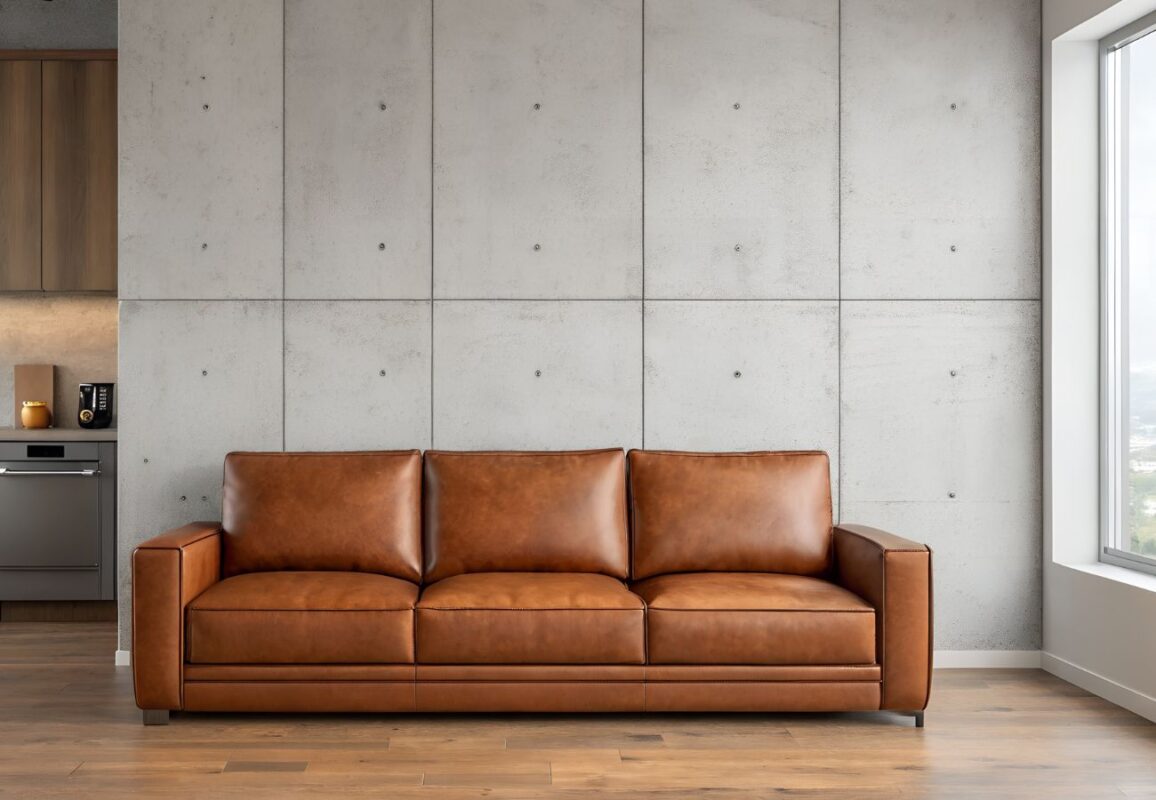
One of the most common issues we hear from Toronto homeowners is that their originally smooth leather sofas start to crack after only a couple of years. The surface becomes dry, the texture changes, and the soft, extravagant feel progressively fades away. Most of the time, it’s not normal aging, despite what many people believe. It suggests that the leather hadn’t been of the highest standard in the first place or hasn’t been given adequate attention. You can preserve your investment while preserving the beauty of your furniture for many years by understanding why this takes place.
What Really Causes Leather Sofas to Crack
Leather is skin, and like our own, it needs moisture to stay soft and supple. When it dries out, it tightens and becomes brittle, which leads to surface cracks. In Toronto, where indoor air gets especially dry during winter, this happens much faster. Long hours of heating, direct sunlight, and even cleaning habits can all affect how your sofa ages.
But not every leather sofa cracks the same way. The real difference often comes down to the type of leather used. Many affordable sofas for living room furniture are made from bonded or faux leather, which looks similar to real leather but lacks its breathability and natural oils. Over time, these coatings start to peel and flake, especially when exposed to temperature changes or low humidity.

Hidden Impact on Leather Sofas In the GTA
Every home environment affects leather differently. In high-rise condos around downtown Toronto, constant heating and air conditioning create a dry indoor climate that slowly pulls moisture from leather surfaces. In suburban homes across Oakville, Vaughan, or Mississauga, large windows and open-concept spaces often expose furniture to direct sunlight, which can fade and dry out even high-quality leather.
Toronto’s long winters and fluctuating humidity make it one of the toughest climates for maintaining leather furniture. That’s why we always recommend keeping humidity levels between 30% and 50% indoors and positioning leather sofas away from vents, baseboard heaters, or radiators.
Different Types of Leather and How They Age
The longevity of your sofa depends heavily on what kind of leather it’s made from. Even if you are searching for modern sofa beds, you should be particular about the material of construction before purchasing one. Some leathers naturally resist wear and dryness, while others are more delicate. Here’s a helpful comparison to understand how each type holds up over time.
| Leather Type | Characteristics | Typical Lifespan | Resistance to Cracking |
|---|---|---|---|
| Full-Grain Leather | Natural surface with visible grain, breathable, develops patina | 15–25 years with care | Excellent |
| Top-Grain Leather | Smoothed surface, durable, slightly treated for consistency | 10–20 years | Very good |
| Split-Grain Leather | Lower layer of hide, thinner and less durable | 5–10 years | Moderate |
| Bonded or Faux Leather | Blend of leather fibers and synthetics, looks real but non-breathable | 2–5 years | Poor |
When you invest in furniture made from full-grain or top-grain leather, you’re getting material that naturally adapts to temperature changes and absorbs conditioner well. That’s why luxury leather sofas age gracefully rather than cracking prematurely.
Everyday Habits That Lead to Cracking
Most damage doesn’t come from one big mistake, but from small habits repeated over time. These are some of the most common reasons leather begins to dry out and crack in Canadian homes:
- Placing sofas near heat sources: Warm air from vents or radiators can dehydrate leather quickly.
- Using all-purpose cleaners: Household sprays or alcohol-based wipes strip away natural oils and protective finishes.
- Skipping conditioning: Leather needs hydration every few months to stay flexible and soft.
- Sun exposure: Prolonged sunlight fades color and weakens fibers, especially on darker leathers.
- Ignoring humidity control: Dry indoor air is one of the top reasons for cracking in Toronto condos and houses alike.

Signs That Your Sofa Needs Attention
You can often catch problems early if you know what to look for. Watch for dullness, stiffness, or a slightly rough surface. If you press the leather and it doesn’t bounce back or feels dry to the touch, it’s time to condition it. A healthy leather surface should feel smooth, slightly cool, and soft, never sticky or rigid.
How to Repair Cracked Leather Sofas
Once cracks appear, it’s possible to improve the look and feel, but the success depends on how deep the damage goes. For small surface cracks, a good leather conditioner or cream can restore moisture and reduce visibility. Deeper cracks may need a professional leather repair service that fills, re-dyes, and seals the affected area.
If the cracking is widespread, replacement cushions or reupholstering might be a better investment than temporary repair. We often recommend speaking with a leather care specialist before trying DIY kits, especially for high-end sofas. The right restoration method can make an older piece look almost new again, while the wrong product can worsen the damage.
What Helps Fix and Prevent Cracking
| Problem | Impact | Recommended Solution |
|---|---|---|
| Dry indoor air | Removes natural oils and causes stiffness | Use a humidifier and apply conditioner regularly |
| Sunlight exposure | Fades color, weakens surface coating | Keep furniture away from windows or use UV-protective film |
| Improper cleaning | Strips natural protective oils | Use pH-balanced leather cleaners only |
| Low-quality material | Surface coating cracks within a few years | Invest in full-grain or semi-aniline leather sofas |
DIY Tips to Keep Leather Sofas Looking New
Good care habits are simple and make all the difference. Here’s what we recommend to homeowners who want their leather furniture to last for decades:
- Dust weekly using a soft, dry cloth.
- Apply leather conditioner every three to six months.
- Keep sofas at least two feet from radiators or vents.
- Maintain indoor humidity around 45% to 50% in winter.
- Rotate seat cushions occasionally to even out wear.
When treated properly, leather becomes more beautiful with age. It develops a natural sheen and softens over time, rather than breaking down. Regular care also helps prevent discoloration and keeps the surface feeling smooth and inviting.

Choosing Leather That Fits Your Home and Lifestyle
Not every leather sofa is right for every space. A downtown condo with lots of natural light might benefit from a lighter shade of semi-aniline leather that resists fading. A large family home in Vaughan or Oakville could suit a rich, full-grain sectional that develops character over time. Understanding how your space affects the furniture helps you make the right decision from the start.
Toronto’s dry winters make it especially important to choose furniture that’s designed for long-term performance in low-humidity environments. That’s where premium craftsmanship makes a difference. Quality furniture checks that you should do for leather are that it absorbs conditioner evenly, retains moisture longer, and won’t peel or flake like synthetic blends.
Why Investing in a High-Quality Leather Sofa Pays Off
Low-cost bonded leather sofas may look appealing at first, yet they’re typically not built to last. After a few years, the texture hardens, the coating starts to peel, and the overall level of comfort drops. However, with the right treatment, high-quality full-grain and top-grain leather will survive for decades. These components flex organically, breathe, and get more durable with time.
Shopping for a high-end leather sofa is more than just buying furniture; it’s bringing a piece into your home that will transform alongside your lifestyle. It becomes a part of the character of your house. Many of our customers who purchased high-end leather couches ten or fifteen years ago still love them today, typically with an even more luxurious appearance than when they originally purchased.
At Modern Sense Furniture, every piece is made with long-term comfort and attention to detail in mind. Italian-made leather couches with full-grain hides and sturdy internal framing that can withstand Canada’s climate while still looking opulent are part of our collection. You can avoid replacing less expensive options every few years by making a single, high-quality investment.
Explore Luxury Leather Sofas For Your Home
It might be time to replace your old sofa with a new one if it is starting to yellow or crack. We at Modern Sense Furniture assist homeowners in Toronto, Richmond Hill, Oakville, and surrounding areas in choosing the perfect leather sofa that fits their interior design needs and their way of life. Our selection of premium full-grain and semi-aniline leathers, which are resistant to wear, aging, and cracking, ranges from contemporary minimalism to classic comfort.
Browse our leather sofa collection online or stop by our showroom to see the craftsmanship for yourself. With the right care and the best quality, a leather sofa can last generations, not just a few years.