












Design Tips, Latest Trends, Luxury Furniture, Modern Furniture
How to Mix Modern and Traditional Furniture Without It Looking Cluttered
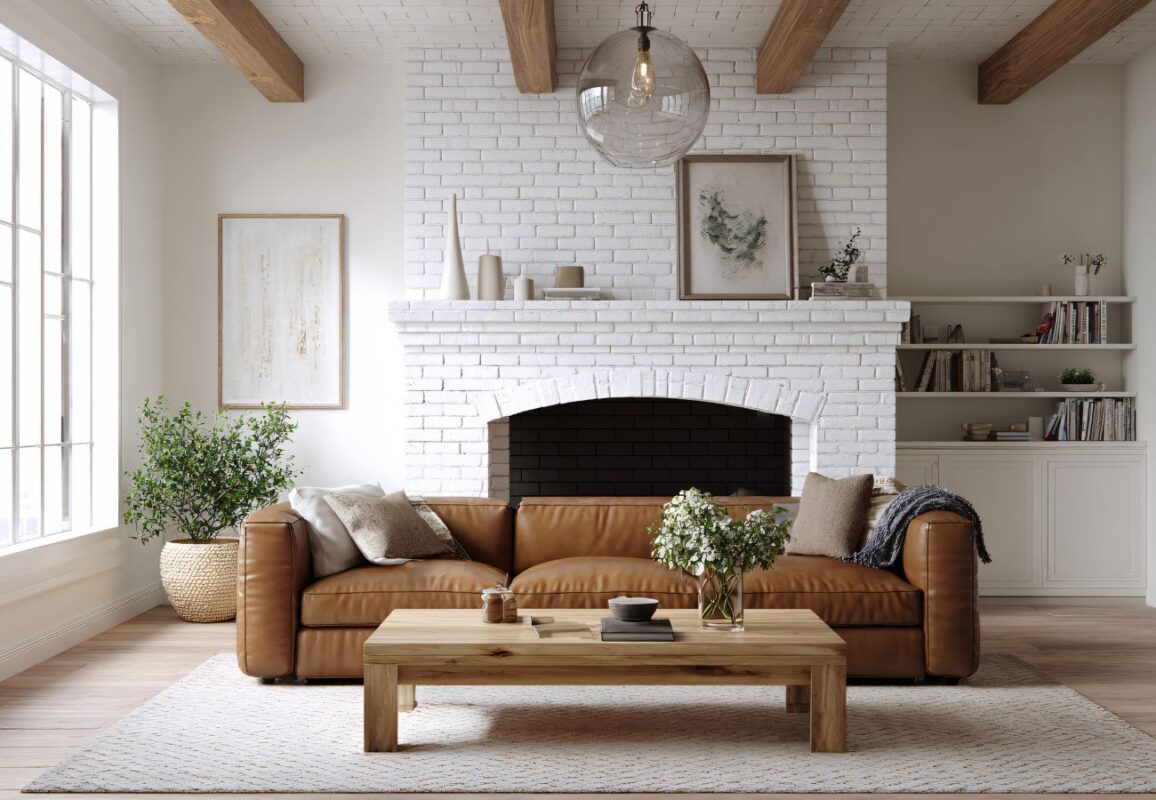
Nov
When renovating or moving, many homeowners experience a sense of panic. Standing in the middle of your living room, you gaze at a stunning, substantial antique oak armoire that has been in your family for many generations. It has a plot, a history, and a personality. Then you look at the sleek, low-profile Italian leather sectional that you recently bought because you were enamored with its comfort and simple design. Usually, a concern arises: do these two items truly belong in the same space? Many of our customers ask us how to combine traditional and modern furniture without making a terrible design.
Transitional design is the term used to describe the art of fusing these eras. It conveys the idea that while you value historical craftsmanship, you firmly live in the present. When used properly, this combination produces a house that feels classic, elegant, and incredibly intimate. However, how can you do it without making it appear like a garage sale explosion? We have spent years assisting customers in bridging the gap between their new investments and their treasured heirlooms.
The 80/20 Rule: How to Mix Modern and Traditional Furniture with Balance
The single biggest mistake we see homeowners make when trying to mix modern and traditional furniture is attempting to give both styles equal weight. Trying to split a room 50/50 often results in a chaotic aesthetic. If half your room is Victorian and the other half is Ultra-Modern, the human eye struggles to find a place to rest. It feels like two different rooms fighting for dominance within four walls.
To avoid this cluttered look, you need to pick a “dominant” style to anchor the space. We strongly recommend the 80/20 split.
In this scenario, let 80% of your larger, foundational pieces be modern. This includes your sofa, dining table, media unit, and bed frame. Modern furniture, with its clean lines, lack of excessive ornamentation, and focus on geometry, acts as a “quiet” canvas. It calms the room down and provides negative space. Then, use the remaining 20% for your traditional pieces. Your antique Persian rug, that vintage crystal chandelier, or the carved wood side table become the “jewelry” of the room. Because the backdrop is clean and modern, the antique piece becomes a focal point rather than getting lost in visual noise.
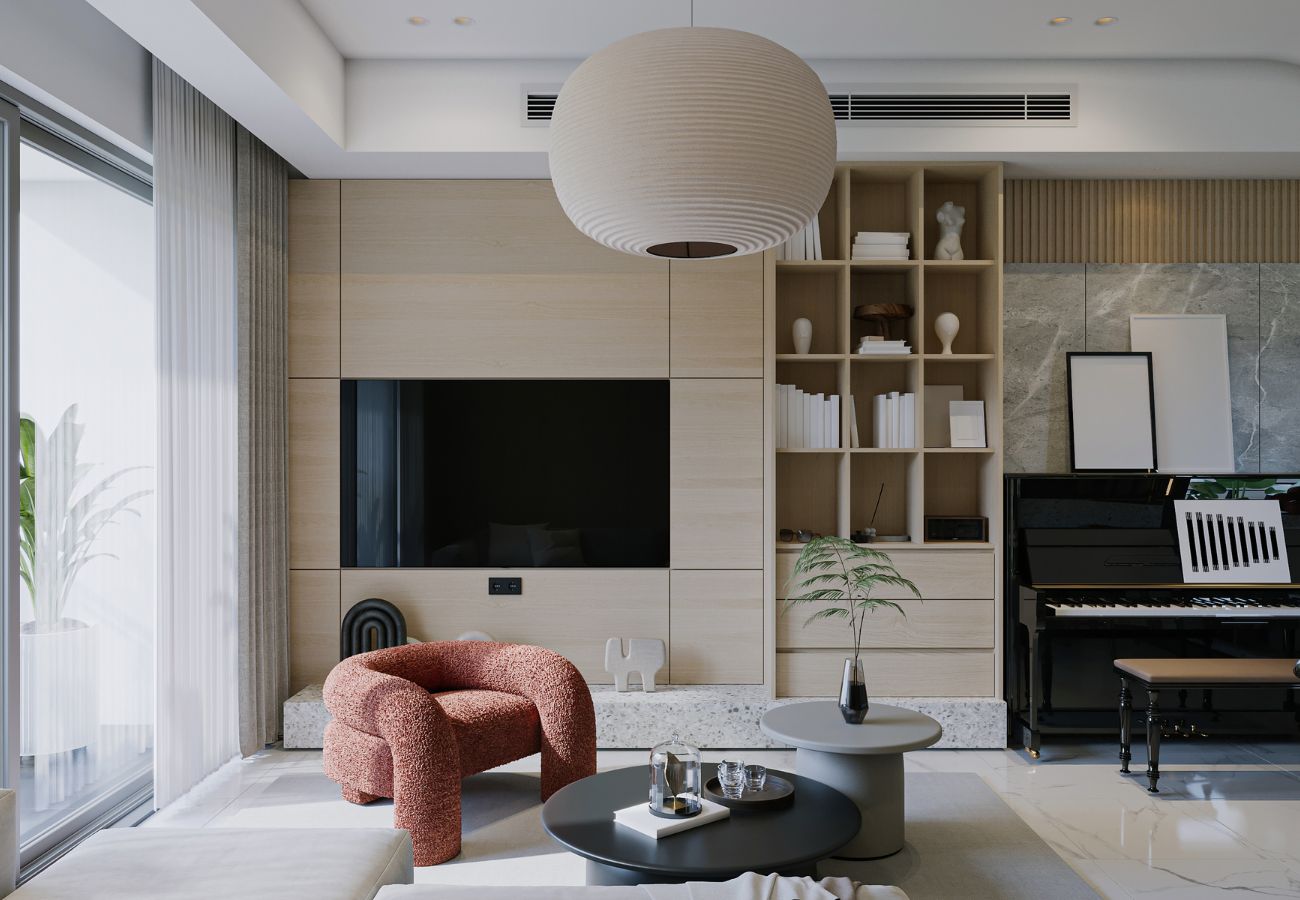
Creating a Cohesive Color Palette to Unify Decor
If your furniture styles are different, your color palette must be the peacemaker. You can get away with mixing almost any two eras, be it Mid-Century Modern with French Provincial, or Industrial with Art Deco, if the colors are friends. When you mix styles, visual “noise” increases because there are so many different shapes and silhouettes. To combat this, we recommend sticking to a neutral foundation for your walls and large upholstery.
Think warm whites, taupes, soft greys, or muted earth tones. These shades act as a palette cleanser. However, this doesn’t mean your room has to be boring. You simply need to employ the Bridge Color Technique.
Make sure your modern and traditional pieces feature the same accent color. For instance, add navy blue velvet throw pillows to your modern grey sectional if you have a classic armchair with a faint navy blue stripe in the fabric. Select contemporary leather chairs in a warm cognac or rust hue if you have a vintage mahogany cabinet with deep reddish undertones. By doing this, a subliminal “thread” is created that unites the space and deceives the eye into perceiving the disparate collection as a cohesive set rather than a haphazard assortment.
Dealing with Wood Tones When You Mix Modern and Traditional Furniture
Handling mismatched wood is one of the most difficult aspects of combining modern and traditional furniture. You may have a walnut dining table, an oak floor, and a mid-century teak sideboard. The fear is that they will clash. When you mix modern and traditional furniture, the secret is that you do not need to match the wood species perfectly, but you should try to match the undertone.
| Wood Undertone | Common Wood Types | Styling Advice |
|---|---|---|
| Warm Undertones (Red, Orange, Yellow) | Cherry, Mahogany, Oak, Teak | Mix these together freely. They enhance each other’s warmth and create a cozy, inviting atmosphere suitable for living areas. |
| Cool Undertones (Grey, Ashy) | Ash, Maple, Weathered Oak, Charcoal Stains | Best kept with other cool or matte finishes. These pair exceptionally well with modern metal accents like chrome or brushed nickel. |
| Neutral Undertones | Walnut | Walnut is the “universal donor” of the wood world. It mixes beautifully with almost anything, bridging the gap between dark antiques and light modern floors. |
If there are too many wood tones that clash, use a “buffer.” A wood floor and a wood cabinet can be physically separated by a large area rug or a coffee table made of a combination of materials, such as stone or glass, to avoid direct collisions. Each wood tone can stand on its own merits without competing with its neighbor, thanks to this buffer zone.
Strategic Furniture Placement and Negative Space
Clutter is typically caused by the proximity of items to one another rather than the quantity of items you own. Conventional furniture frequently has intricate silhouettes and is heavy, dark, and elaborate. Modern furniture is frequently low to the ground, light, and airy. The contrast can be startling if you press them directly against one another.
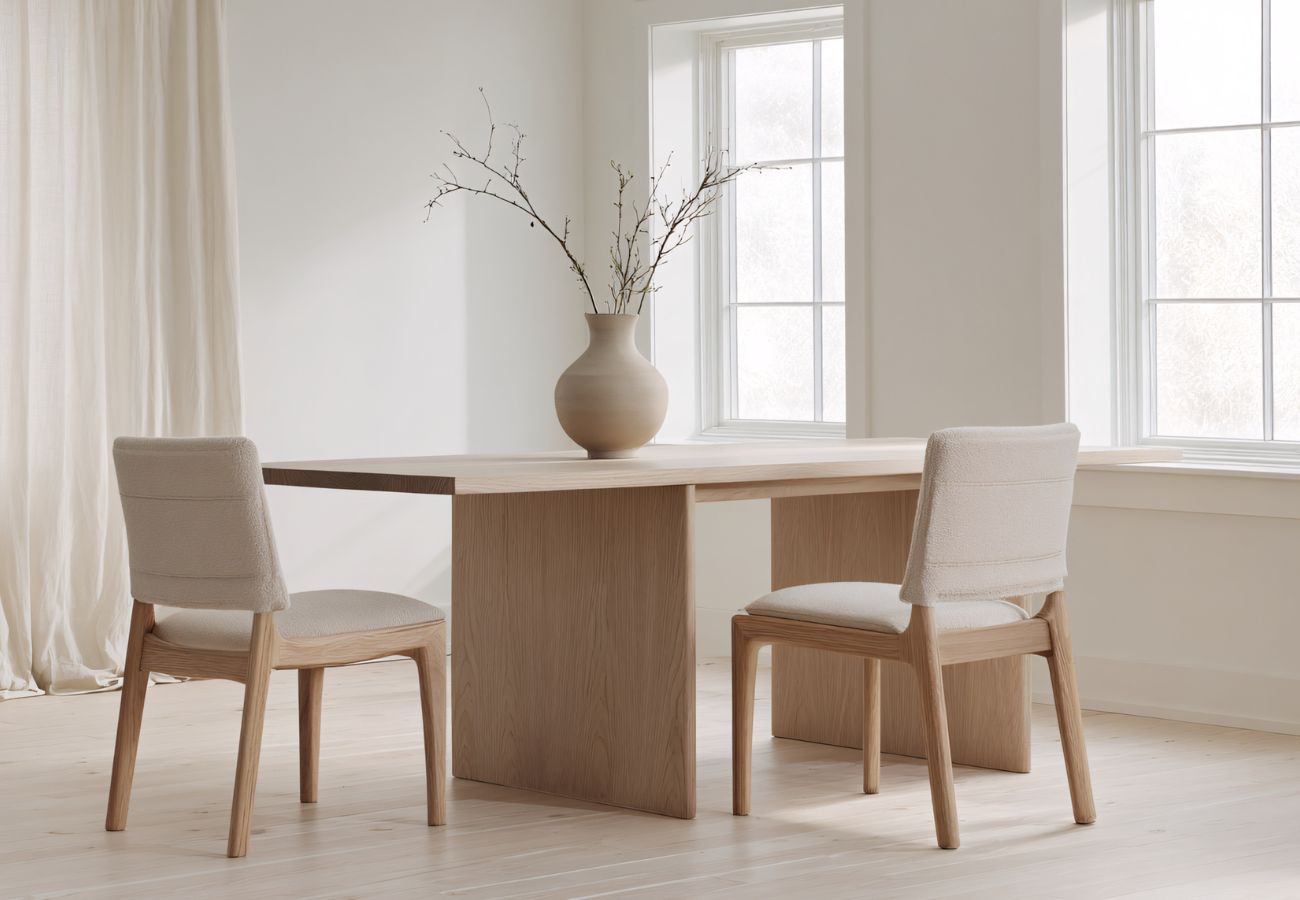
The solution is Negative Space. You must give your furniture breathing room. If you have a heavy antique armoire, do not place a delicate modern side chair immediately next to it. Give the armoire its own wall. Let it breathe. By allowing space between the eras, you let the viewer appreciate the craftsmanship of the antique and the sleekness of the modern piece individually.
Furthermore, you must watch the scale. Scale is critical when blending styles. A delicate Louis XVI chair will look like a toy next to a massive, overstuffed modern modular sofa. To fix this, you should pair “heavy” with “heavy” visually. If you have a large luxury modern living room set, balance it with a traditional coffee table that has some visual weight to it, perhaps a solid wood piece rather than a spindly antique.
Room-by-Room Guide to Mixing Styles
Styling a Transitional Living Room
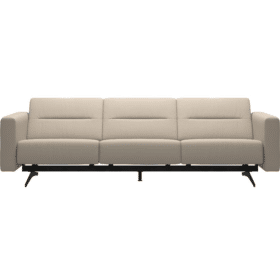
The living room is where the mix is most visible and where your guests spend the most time. Start with the sofa. A sleek, neutral sofa is the best investment you can make because it is versatile. You can dress it up with vintage textiles or keep it minimal. We recommend anchoring the room with a low-profile, track-arm sofa. This modern shape is timeless and unobtrusive.
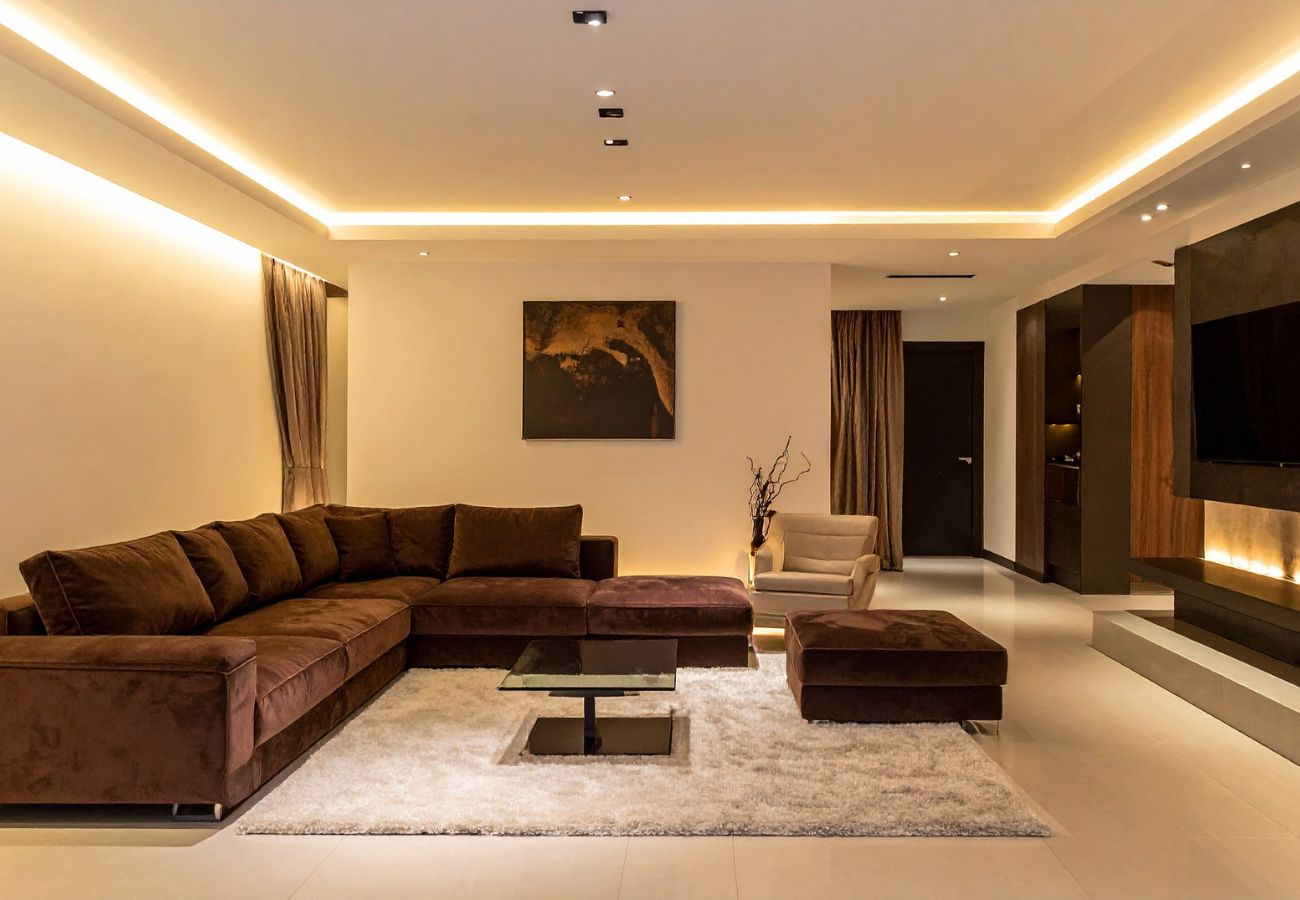
Once you have that modern anchor, you can layer in the traditional elements. Pair that sleek sofa with a set of traditional club chairs upholstered in a contemporary fabric, or place a vintage trunk as a coffee table. Lighting is also the easiest way to modernize a traditional room. If your home has traditional architectural details like crown molding and a fireplace, hanging a sculptural, contemporary chandelier instantly updates the space. For high-quality foundations, you can explore our extensive collection of modern living room furniture to find the perfect base for your design.
Balancing Old and New in the Dining Room
The table and the chairs are two separate elements that directly interact, making the dining room possibly the easiest place to combine different styles. Here, you have two main options. The first choice is to use a rustic, classic farmhouse table with sleek, contemporary chairs made of metal or molded plastic. The smooth, industrial finish of the chairs contrasts beautifully with the rough texture of the wood, creating a timeless designer look.
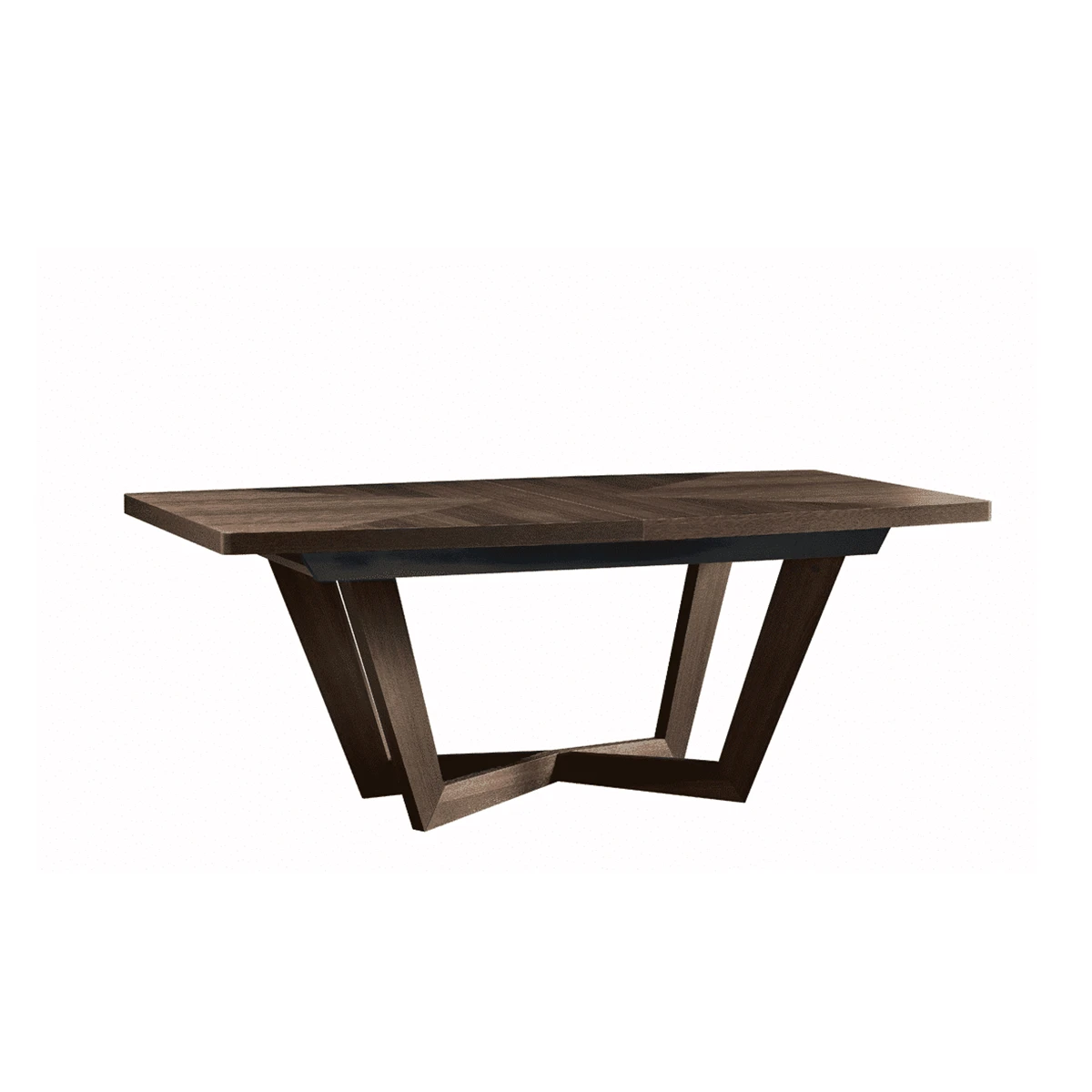
Using a hyper-modern glass or marble dining table surrounded by traditional upholstered chairs is the second option, which is the opposite. The modern table makes the traditional chairs feel fresh, and the traditional chairs make the modern table feel inviting and less sterile. If you are looking for that centerpiece, view our range of dining tables. They are designed to be the perfect sleek counterpoint to heirloom seating. You can also browse our full dining room furniture catalog for more inspiration on how to curate this balance.
The Role of Textures and Materials
When you remove the “matchy-matchy” aspect of a room, you need something else to create interest. That something is texture. A room that is 100% modern can sometimes feel cold or sterile due to the prevalence of smooth surfaces like glass, steel, and polished stone. Conversely, a room that is 100% traditional can feel dusty or heavy.
By mixing them, you get the best of both worlds. Consider the luxury of placing a plush traditional velvet pillow on a sleek metal-framed modern chair. The tactile contrast is incredibly satisfying. Another secret weapon for transitional spaces is Acrylic (or Lucite) furniture. An acrylic coffee table is functionally there but visually invisible. It allows you to see the beautiful traditional rug underneath it without blocking the view, making it a perfect bridge between eras.
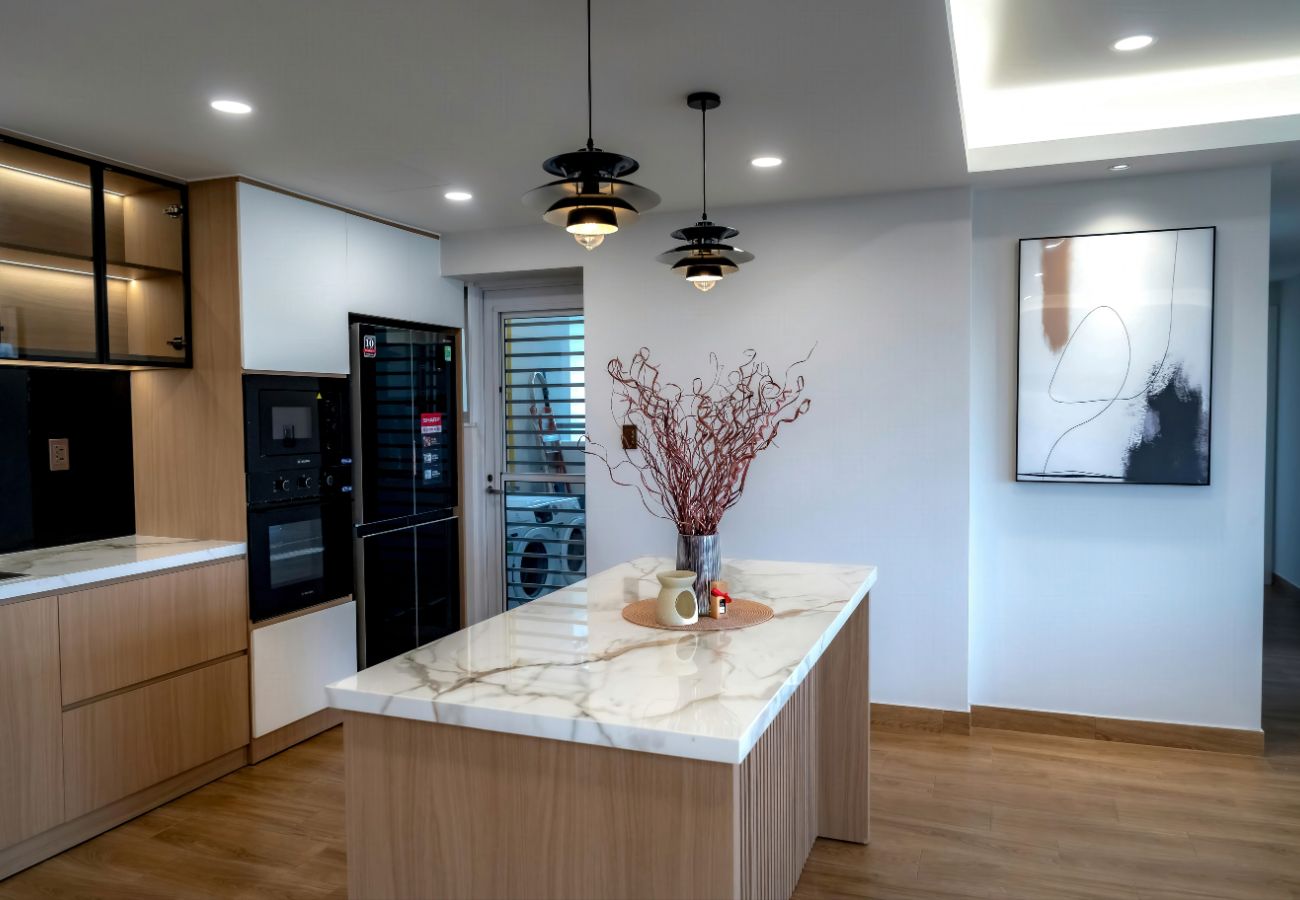
Window treatments also play a massive role. Crisp, modern linen drapery can make heavy traditional leather furniture feel lighter and more coastal. It lifts the visual weight of the room. As noted by design experts at Architectural Digest, transitional style is ultimately about this sensory balance, ensuring that for every sleek line, there is a soft touch to welcome you in.
Common Mistakes to Avoid When You Mix Modern and Traditional Furniture
Even with the best intentions, things can go wrong. One of the most common traps is the “Time Travel” effect, where homeowners create “theme corners.” This happens when you put all your modern furniture on one side of the room and all your antiques on the other. This doesn’t look like a mixed style; it looks like you ran out of furniture and borrowed from a neighbor. You must weave the items together throughout the space.
Another mistake is ignoring functionality for the sake of the look. Modern design is rooted in functionality, form follows function. Don’t keep an antique chair that is uncomfortable just because you think it adds “character.” If you never sit in it, it is just clutter. Replace it with a modern piece that invites relaxation. If you are struggling with the functionality of a space, resources like Elle Decor’s guide to functional layouts can provide excellent inspiration on how to arrange furniture for actual living, not just for show.
Why Modern Furniture is the Best Foundation for Heirlooms
Purchasing contemporary furniture is actually the greatest way to honor your traditional heirlooms, despite the fact that this may seem counterintuitive. An antique becomes part of the background when it is surrounded by other antiques. It turns into just another “old thing” in an old room. However, it stands out when you pair that same antique with a clean-lined, modern piece. The intricate carving, the wood’s patina, and the item’s history are all highlighted by the contrast.
In the end, your house ought to represent who you are. It should narrate the tale of your past (the traditional) and future (the modern). Try new things without fear. Shift the lamp. Change the carpet. Try the chair in a different corner. The beauty of mixing modern and traditional furniture is that there is no strict “right” answer, only what feels right to you.
If you are ready to start building your mix, we are here to help you find the perfect balance. Whether you need that one stunning modern sofa to anchor your heirloom collection or a sleek dining table to refresh your space, we have the pieces that make the transition seamless. Come visit us to see how effortless it can be to mix modern and traditional furniture in a way that feels uniquely yours.