








Design Tips, Luxury Furniture, Modern Furniture
How to Prevent Sun Damage to Leather Sofas Near Windows
Dec
·
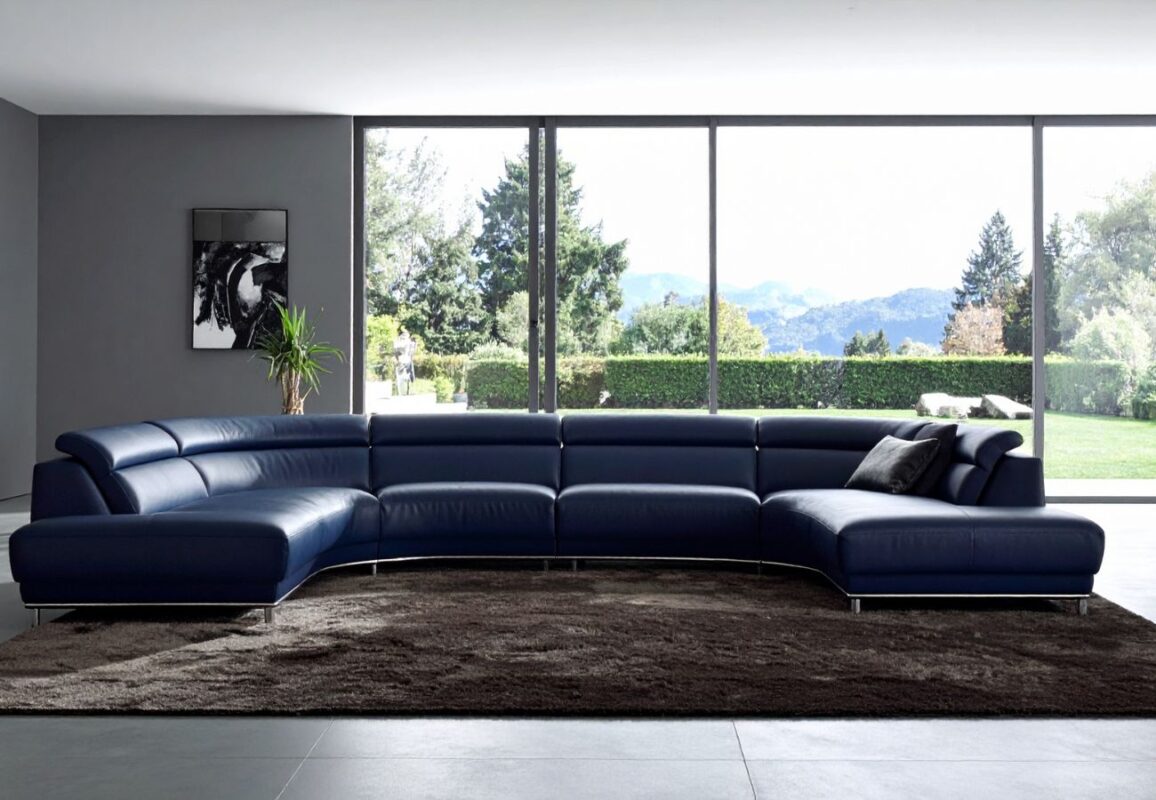
When you enter a living room that is flooded with natural light, you get an exclusive feeling. It appears extravagant yet airy, and welcoming. We long over sunshine in Toronto, where the winters are long. We develop homes that blur the boundaries between indoor and outdoor spaces and build condos with glass from floor to ceiling. But all that sunshine comes with a silent, frustrating trade-off. You have probably been concerned about sun-damaged leather if you own high-end furniture.
We observe it regularly. You spend money on a stunning sectional made of deep cognac Italian leather. Against the south-facing window, it looks stunning. Six months later, you gasp when you move a throw pillow. The rest of the sofa appears pale, dry, and worn out, but the leather underneath is rich and dark. It is a structural problem rather than merely an aesthetic one.
To save your sofa, you don’t need to brick up your windows. All you have to do is comprehend how UV rays and natural hide interact. You can preserve both the view and the flawless appearance of the leather if you approach it strategically. Here’s how we protect leather couches from sun damage without sacrificing the aesthetics of their homes.
Why Sun Damage On Leather Occurs (The Science of It)
To fix the problem, you have to understand what is actually happening. It helps to think of your leather furniture the same way you think of your own skin. Leather is a natural, organic material. Even after the tanning process, it retains pores and fibres that react to the environment.
When we talk about sun-damaged leather, we are actually talking about two different forces attacking your furniture at the same time: UV Radiation and Infrared Heat.
1. How UV Rays Fade Leather Sofa In Living Rooms
UV rays are invisible, but they are aggressive. They work on a molecular level to break down the chemical bonds in the dyes used to colour your leather. This is a process called photodegradation. It doesn’t matter how expensive the dye was; if UV rays hit it long enough, those bonds will snap. This results in fading or “bleaching.”
2. Can Infrared Heat Affect Your Sofa?
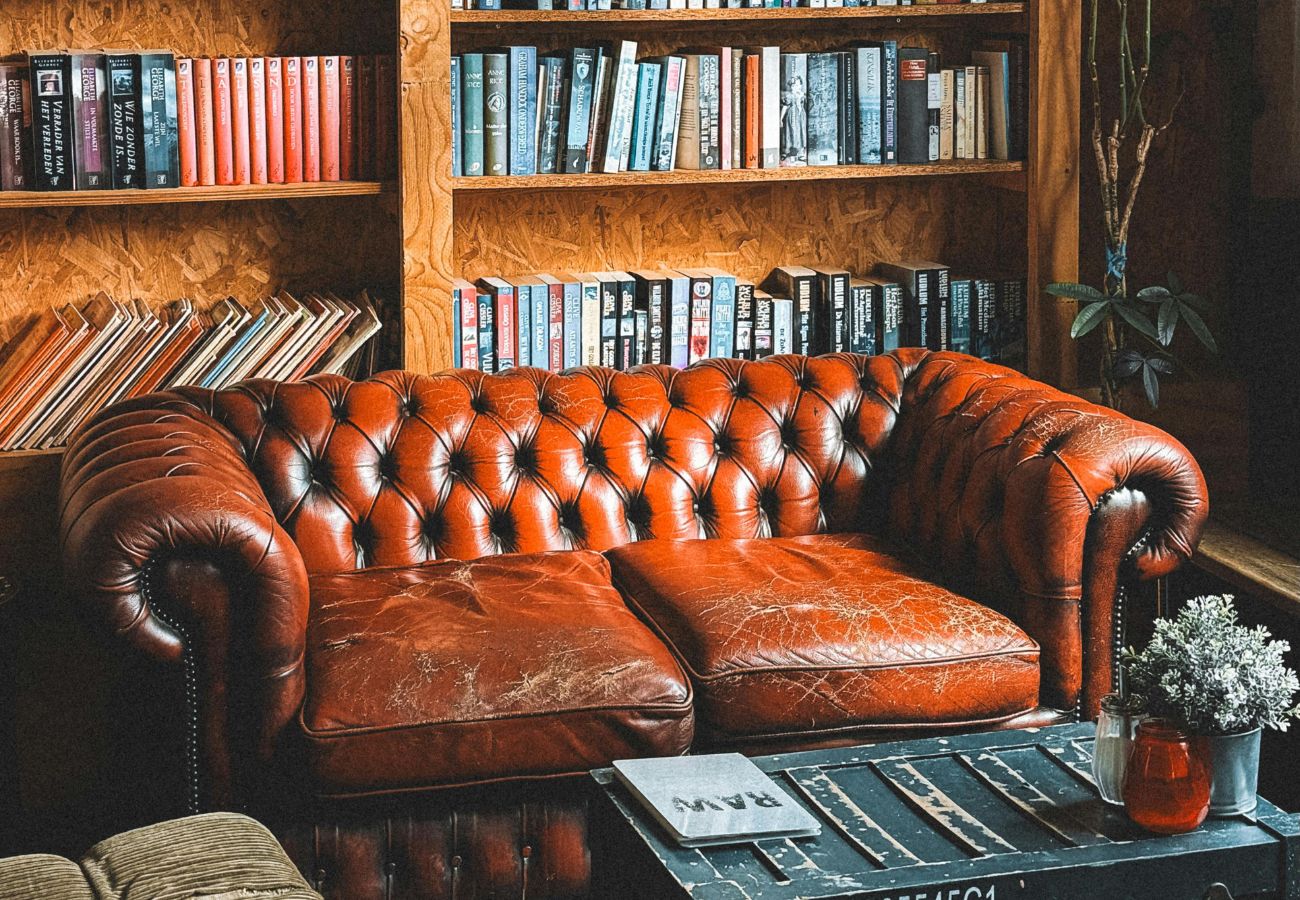
This is the part people often forget. Windows amplify heat. When sunlight hits your dark leather sofa, the surface temperature spikes. This heat causes the natural oils in the hide, the oils that keep it soft and flexible, to evaporate. Once those oils are gone, the collagen fibers inside the leather shrink and stiffen. This is why sun-damaged leather doesn’t just look different; it feels different. It becomes stiff, cardboard-like, and eventually cracks.
Choosing the Right Grade to Avoid Sun Damage to Leather
Prevention starts before you even buy the sofa. If you know your living room is a “sun trap,” you need to be realistic about the type of leather you choose. Not all hides are created equal when it comes to UV resistance.
When you browse our modern leather sofas collection, you will typically see three main categories. Here is how they stack up against the sun:
- Full Aniline Leather (High Risk): This is the purest form of leather. It is soft, breathable, and incredibly luxurious because it has no surface coating. However, because it is “naked,” it has zero defense against UV rays. It will soak up oils and light instantly. If you put a full aniline sofa in a sunny window, it will fade. We usually recommend keeping these pieces in darker, moodier rooms.
- Semi-Aniline Leather (Medium Risk): Can handle indirect light. It has a light surface coating that offers a small barrier against UV rays. This is a great middle ground. It has a light surface coat that offers some protection against wear and light, but it still retains a natural look.
- Pigmented or Protected Leather (Low Risk): This leather is finished with a polymer topcoat containing pigments. Think of this topcoat as a permanent sunscreen. It is highly resistant to fading and doesn’t dry out as fast. If you are furnishing a sunroom or a bright condo, this is often the smartest choice. The polymer surface coating resists fading and retains moisture better than natural hides.
If you have a Full Aniline sofa, you need to be much more aggressive with your protection strategy than if you have a pigmented leather sectional.
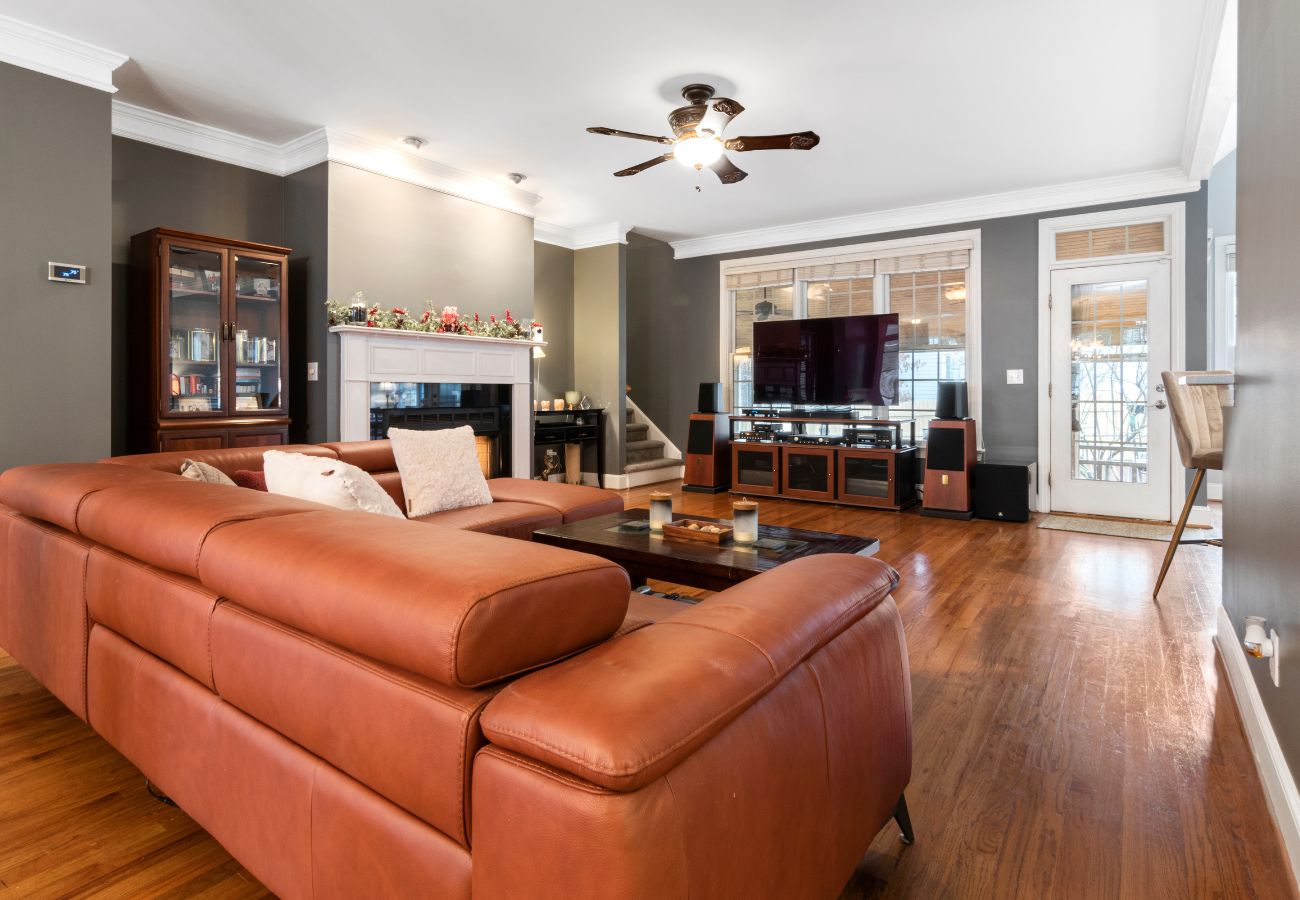
Can Changing Layout Help Your Luxury Sofa?
To solve this, you don’t always need to purchase new items. Sometimes all you have to do is move things. We suggest a method we refer to as “Shadow Mapping.” Try to do this on a Saturday while you’re at home.
Between 10:00 AM and 2:00 PM, observe how the light travels across your floor. The UV hours are at their highest. You may notice that a bright, intense beam of light strikes only the left arm of your loveseat as it cuts across the floor. You may be able to move the piece out of that direct “kill zone” and into the shade by simply moving your furniture arrangement two or three feet.
If you cannot move the sofa, move the pieces of the sofa. If you have a modular sectional, swap the pieces around every few months. And if your sofa has loose back cushions, rotate them regularly. This ensures that any fading happens evenly. An evenly faded sofa looks like it has a vintage patina. A sofa with one bleached spot just looks damaged.
The First Line of Defence: Window Treatments
We know what you are thinking. “I didn’t buy a condo with a view just to cover it up with heavy drapes.” We agree. Heavy curtains are great for bedrooms, but they kill the vibe in a modern living room.
However, you need to put something between the sun and your sofa. The best modern solution is Solar Shades. Unlike blackout blinds, solar shades are made of a woven mesh. They block about 95% of UV rays, but they are transparent enough that you can still see the city skyline through them. You can pull them down during the harsh noon hours and roll them up for the sunset.
How Does UV Film Help Your Leather Furniture
Consider residential window film if you completely detest the concept of blinds. This is a thin film made of metal or ceramic that is directly applied to the glass. Without altering the appearance of your window, it rejects heat and blocks 99% of UV radiation. It is practically undetectable.
The professionals at 3M Window Solutions claim that these films can lower your cooling costs and drastically lessen the fading of flooring and textiles. Once installed, this passive solution keeps your furniture safe around the clock without requiring you to do anything.
Keeping Leather Hydrated Against Sun Damage
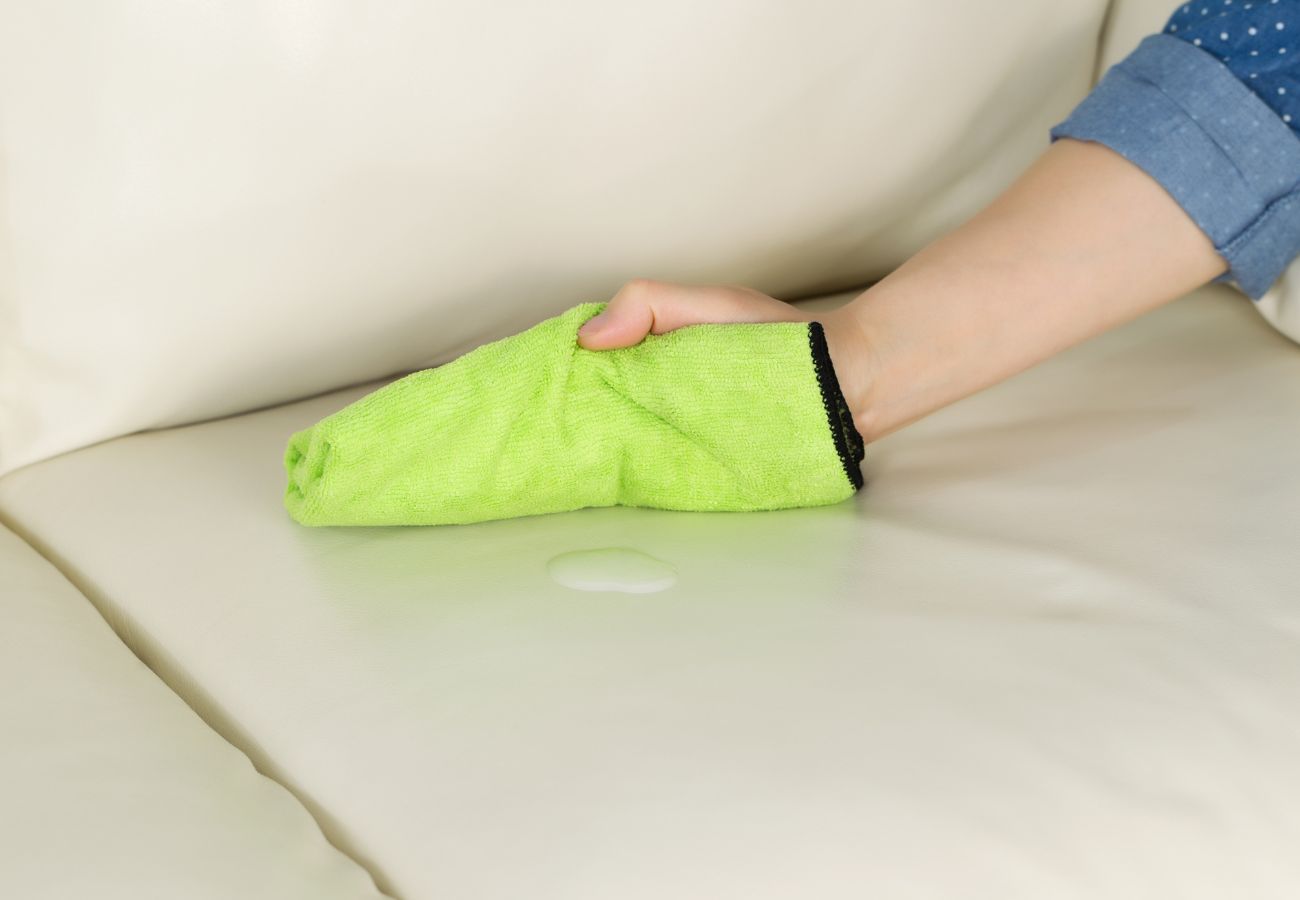
Your leather furniture is dehydrated if it remains in a direct sunlight space. The fibres constantly lose moisture because of the heat. You need to stay thorough with hydration if you want to prevent sun damage to the leather. Consider it similar to applying lotion after a beach day.
Conditioning an everyday sofa in a dimly lit space once or twice a year is suitable. Conditioning a sofa by a window should be done every three to four months. You’re looking for a premium water-based, pH-balanced leather conditioner. Steer clear of inexpensive “2-in-1” cleaners and conditioners from grocery shops since they frequently contain silicone, which can seal pores and ultimately lead to increased dryness.
The “Hand Test”: Not sure if it’s time to condition? Place your hand on the leather where the sun hits it. Does it feel hot? Does it feel drier or rougher than the back of the sofa? If yes, it needs moisture immediately.
Quick Fixes for Peak Hours
Sometimes, the low-tech solutions are the most reliable. If you know the sun hits a specific corner of your room every morning while you are at work, just cover it up.
Sometimes the low-tech solutions are the best. If you know that the sun hits a specific corner of your sofa every morning, use a throw blanket. A stylish, lightweight throw draped over the arm or back of the sofa not only adds texture and colour to your design but acts as a physical shield against the light.
You don’t have to cover the whole sofa. Just cover the “hot spots” during the brightest part of the day. When you have guests over or when the sun goes down, you can fold the blanket away. It is a flexible, inexpensive way to mitigate sun damage to leather risks without committing to permanent changes.
You can browse our living room accessories to find throws that match your decor while serving this protective purpose.
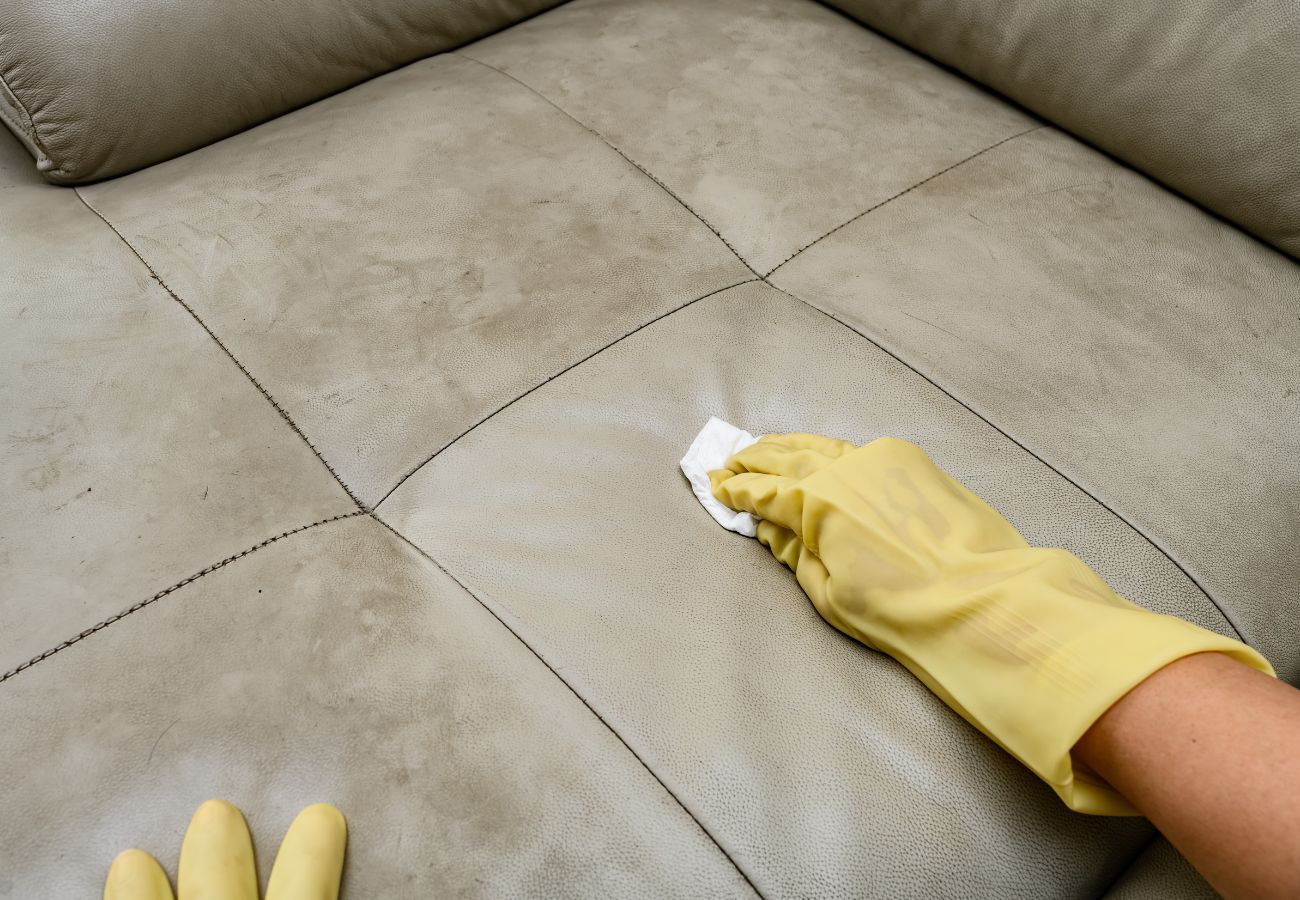
Can You Repair Sun-Damaged Leather?
This is the question we get asked most often. “My sofa is already faded. Is it ruined?”
The honest answer is: it depends on how deep the damage goes. If the issue is just dryness and minor fading, you might be able to save it.
- Deep Conditioning: Start by applying a heavy coat of conditioner. Let it sit overnight. The leather might drink it up entirely. Repeat this process over a few days. As the moisture returns, the colour often deepens and becomes richer, masking some of the fade.
- Recolouring Balms: For surface fading, there are pigmented balms available that can restore colour. These work well on absorbent leathers. However, you need to be very careful to match the colour exactly, or you will end up with a patchy mess.
- Professional Restoration: If the leather has cracked or turned into “suede” because the top grain has deteriorated, DIY fixes won’t work. You will need a professional leather specialist. They can sand down the damage, apply fillers to cracks, and spray a new layer of dye and topcoat over the entire piece. It is amazing what they can do, but it can be expensive.
If the structure of the leather is compromised, if it tears when you pull it, then it is likely time to replace the piece. At that point, look for sun-damage-resistant leather options, such as high-grade protected leathers.
The Verdict: Enjoy the Light, But Be Smart
We agree that your home deserves to be something special. To keep what you own pristine, you shouldn’t have to live in the dark. We believe you should appreciate your abundance of natural light. Having beautiful leather furniture does not call for you to live in a cave. You are able to achieve the ideal balance by using invisible protection like window films or solar shades, choosing a suitable kind of hide, and learning the science behind sunlight harming leather.
Architectural Digest frequently offers excellent guidance on maintaining interiors in high-exposure settings if you’re looking for additional home maintenance tips. Of course, we can assist you if you’re prepared to upgrade to a sofa that can support your way of life.
Visit us at Modern Sense Furniture. Our design team can help you choose the right materials for your specific space, ensuring you never have to worry about sun-damaged leather again.
Shopping for a new one? Browse modern leather sofas in Toronto at Modern Sense.