












Design Tips, Modern Furniture
How to Style Open Shelving in a Modern Living Room
Oct
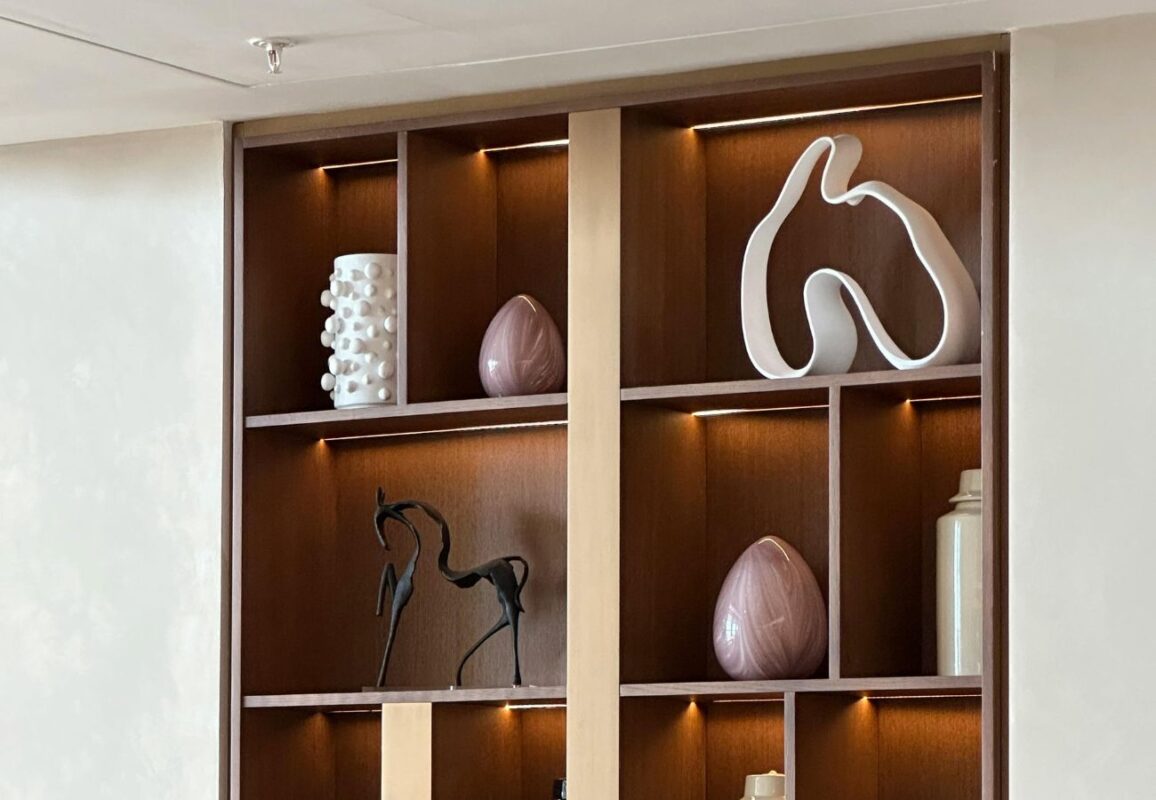
In showrooms, open shelving in a contemporary living room seems effortless, but in homes, it can appear disorganized, dusty, or just plain disorganized. If your shelves appear more like a storage bin than a decorative element, you’re not alone. In reality, decorating every available space isn’t the goal of open shelf styling. It all comes down to intention, rhythm, and restraint. We at Modern Sense Furniture have assisted hundreds of homeowners and condo owners in Toronto, Mississauga, and the GTA in turning their open shelving from disorganized afterthoughts into tastefully designed focal points. And we’re giving you all the useful, seasoned guidance you need on how to replicate.
How Does Open Shelving Work in Your Living Room
Open shelving is more than a fashion statement; it’s a practical interior design style, particularly in Toronto-area condos and urban homes where space is limited and aesthetics are important. Open shelves, however, don’t conceal anything, in contrast to closed cabinets or media consoles with doors. This implies that they only function when each object on exhibit has a function, a location, and a visual role. At Modern Sense Furniture, we’ve witnessed open shelving turn cluttered living rooms into elegant environments only when executed with purpose. Here’s how to make it work in your space.
Most people run into the same problems: too many random items, mismatched colors, or shelves that look empty yet somehow still messy. The issue isn’t your taste, it’s the lack of a system. Unlike closed cabinets, open shelves expose everything, so every object needs to earn its place. But with the right approach, your shelves can look clean, modern, and deeply personal without requiring a professional stylist or a shopping spree.
Shopping for living room furniture that must pull double duty is essential. Open shelving shines when it balances three roles at once:
- Storage – for books, board games, remotes, or blankets
- Display – for art, ceramics, or meaningful objects
- Architectural definition – it adds vertical lines, depth, and rhythm to a blank wall
How to Style Open Shelves Without Clutter
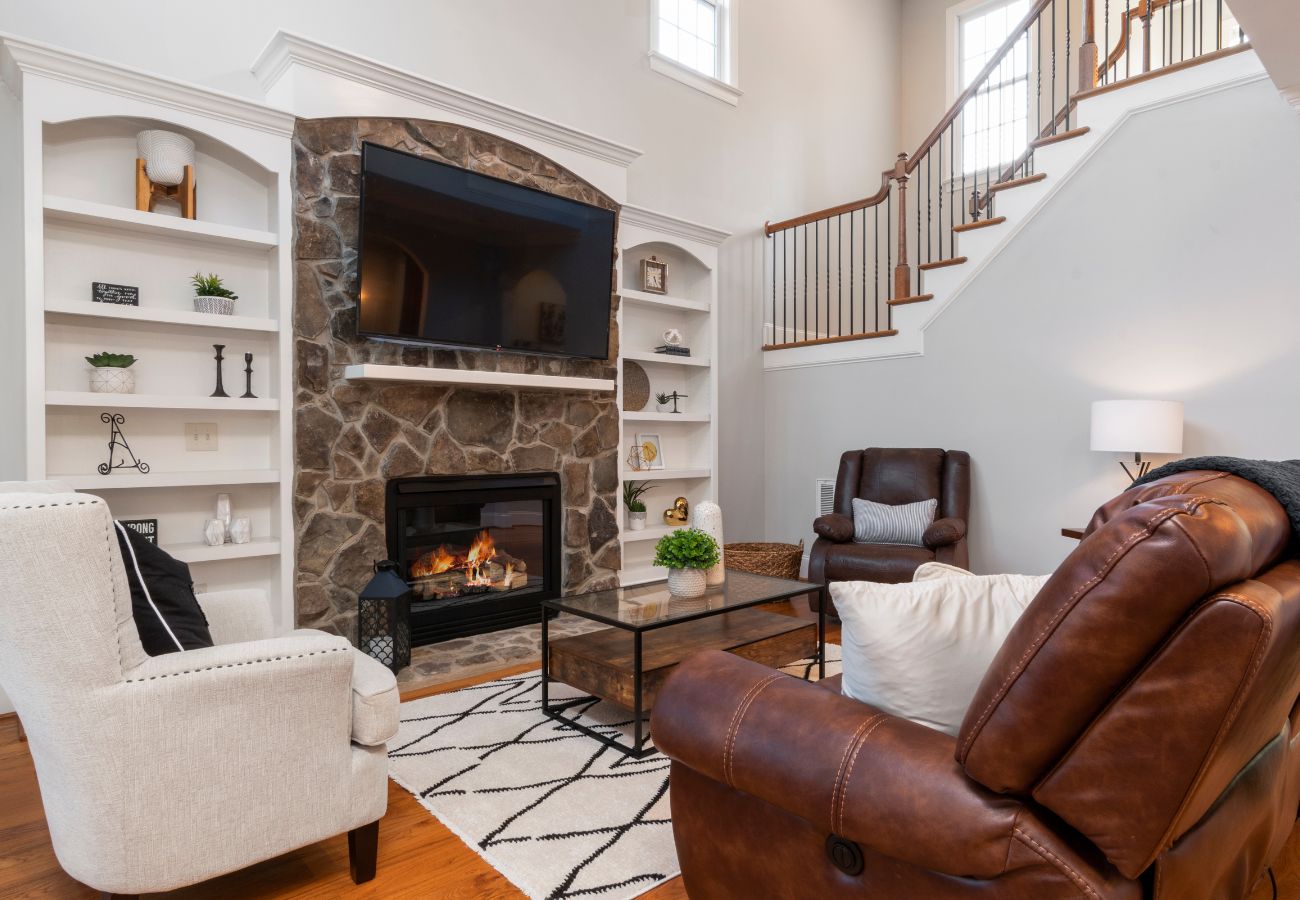
This is the number one concern we hear: “I want it to look styled, not stuffed.” The secret lies in editing and grouping. Start by removing everything from your shelves. Yes, everything. Then ask yourself three questions for each item:
- Does it serve a function (books, baskets, remotes)?
- Does it bring visual calm or joy (a ceramic vase, a framed photo)?
- Does it fit within a cohesive color story?
If the answer is no to all three, it doesn’t go back. Now, rebuild with purpose.
The 60-30-10 Rule for Balanced Shelving
Think of your shelves like a well-composed photograph. You need foreground, midground, and background. Apply this simple ratio:
- 60% books or negative space – Books add structure. Stack some horizontally to create platforms for smaller items. If you don’t have many books, leave clean space, it’s not wasted, it’s breathing room.
- 30% functional storage – Use woven baskets, matte boxes, or minimalist bins to hide clutter like chargers, board games, or kids’ toys. These should blend in, not stand out.
- 10% statement decor – One or two intentional objects: a hand-thrown pottery piece, a single dried pampas stem, a small sculpture. Less is more, this isn’t a souvenir shelf.
This formula works whether you have floor-to-ceiling units or a single floating shelf.
Avoid These Common Styling Mistakes
Even those who are knowledgeable about design can fall into these traps:
- Stiffness is created by lining up objects like soldiers.
- Excessive use of small objects can result in visual noise.
- Ignoring scale (a small trinket on a deep shelf vanishes).
- Too much material mixing (chrome, wicker, glass, and plastic feel disjointed together).
Instead, lean art rather than hang it, stack books beneath a small object to create a variety of heights, and stick to two or three different types of materials (e.g., wood, ceramic, and linen). In small-space living, especially in Toronto condos where smart furniture is essential, open shelving often doubles as storage, an entertainment center, and display all at once.
Where to Place Open Shelving in Your Living Room
Not every wall suits open shelves. Placement affects both usability and visual flow.
Next to or Around Your TV
The most frequent and challenging location is this one. Media equipment, such as cords, boxes, and remote controls, is frequently stored on shelves here. The answer is to put tech equipment in closed baskets on the bottom shelves and save the eye-level shelves for books and a couple of decorative items. Keep the top shelf simple, in modern design, empty space is seen as deliberate.

On a Feature Wall
A full-height unit or floating shelves can serve as an anchor for your living room if the wall across from the sofa is blank. This is your opportunity to establish a “living gallery.” Add one sculpture, stack books in black and white, and lean small artwork. Steer clear of symmetry; balanced asymmetry is the hallmark of modern interior design.
In Open-Concept Spaces
In lofts or condos where the living and dining areas share a room, open shelving can act as a soft divider. A low unit (36–42 inches tall) creates separation without blocking light. Style the living room side with books and baskets, and leave the dining side open or use it for servingware.
What Types of Open Shelving Actually Work in Modern Living Rooms?
Not all shelving is equal. The right type depends on your space, lifestyle, and storage needs.
Shelving Type |
Ideal For |
Styling Tip |
|---|---|---|
| Floor-to-ceiling modular units | Maximizing vertical space in condos | Use the top third for light decor, middle for books, bottom for baskets |
| Floating shelves (1–3 units) | Small walls, minimalist spaces | Limit to 3 items per shelf; vary depth for visual interest |
| Asymmetrical wall systems | Creating dynamic focal points | Repeat one material (e.g., oak) across all shelves for cohesion |
| Shelving with integrated cabinets | Homes with kids, pets, or frequent entertaining | Hide 70% of items behind doors, display 30% |
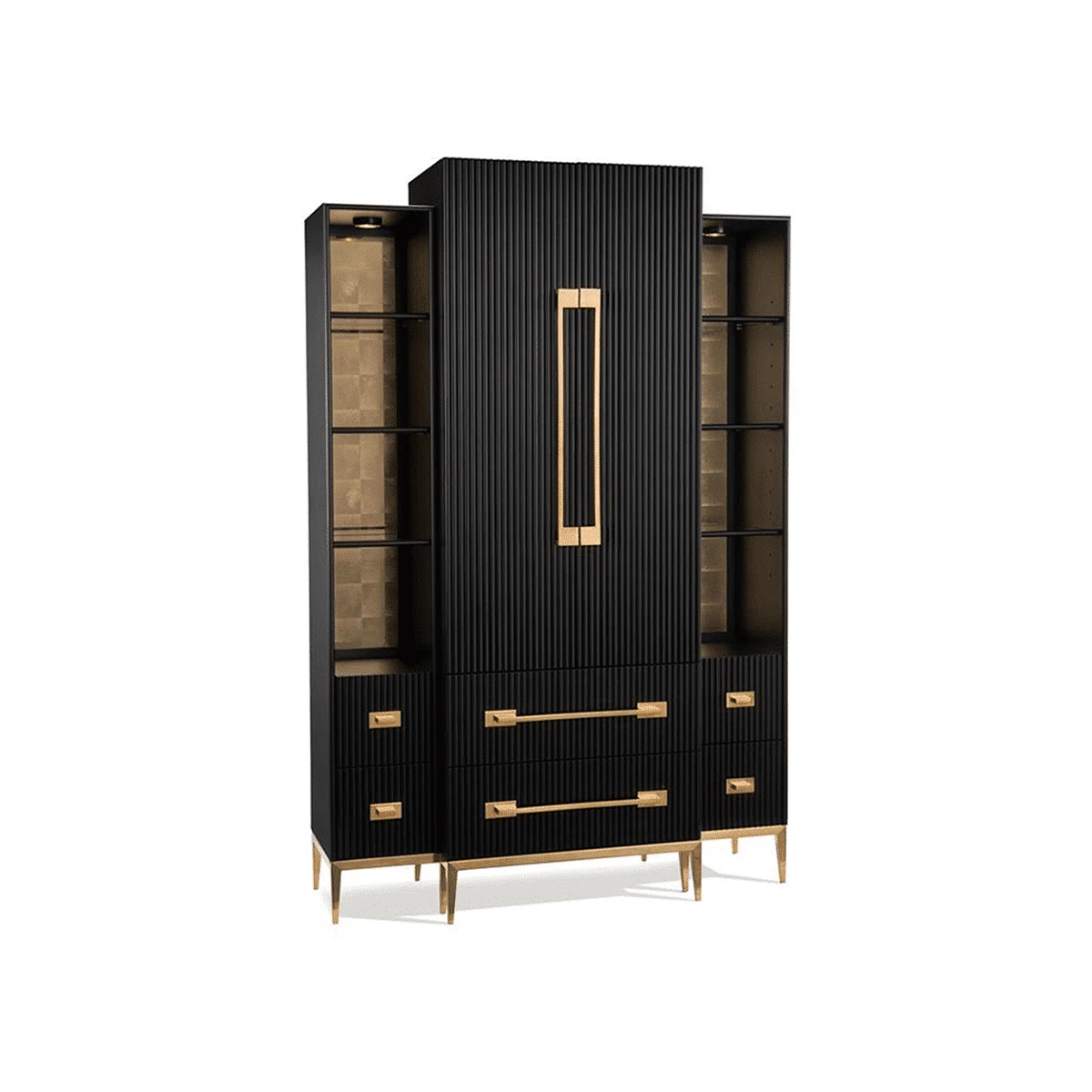
At Modern Sense Furniture, we carry modular shelving systems from BDI and Italian designers that blend open and closed storage, perfect for real-life living. Units like the BDI Corridor offer open shelves for display and concealed compartments for remotes, cables, and toys, so your living room stays polished even on busy days.
How to Choose the Right Depth and Height
Shelf dimensions make or break functionality.
- Depth: 10–12 inches is ideal for living rooms. Deeper shelves (14+ inches) require more styling effort and can look bulky. Shallower shelves (8 inches) work for lightweight items like books or small art.
- Height between shelves: 12–15 inches allows room for hardcover books and small objects. For larger art or vases, go up to 18 inches, but don’t make every shelf tall, or the unit looks sparse.
- Eye-level shelves: Place your most intentional displays between 48 and 66 inches from the floor, the natural sightline when seated.
Color and Material Guidance for a Cohesive Look
Modern doesn’t mean cold. The most successful open shelves blend minimalism with warmth. Start with a base palette of two or three neutral tones (think: warm white, oak, charcoal). Then add one accent tone, terracotta, olive green, or deep navy, for depth.
Avoid mixing more than three materials. A good combo: wood shelves + linen baskets + matte ceramic objects. Bad combo: glossy lacquer + chrome + mirrored trays + plastic bins.

Here’s a quick reference for pairing materials in a modern living room:
Shelf Material |
Complementary Materials |
What to Avoid |
|---|---|---|
| Walnut or Oak Wood | Woven textiles, matte ceramics, stone | Glossy plastics, bright metals |
| Matte Black Metal | Concrete, leather-bound books, dark ceramics | Shiny chrome, pastel decor |
| White Laminate | Black books, monochrome art, linen boxes | Busy patterns, multi-colored trinkets |
Open Shelf Product Picks That Make Styling Easier
At Modern Sense Furniture, we carry pieces designed specifically for modern, clutter-free living. Here are a few that pair perfectly with open shelving:
- BDI Corridor Media Console – Combines open shelving with concealed storage, ideal for hiding remotes and game consoles while displaying books or art.
- Alora Sectional with Matching Side Tables – Creates a cohesive living room base so your shelves don’t have to carry all the visual weight.
- Minimalist Woven Storage Baskets (In-Showroom Exclusive) – Sized to fit standard shelf depths, available in oat, charcoal, and sand.
- Italian Ceramic Vases (Handcrafted Collection) – Simple, sculptural, and available in matte finishes that resist dust.
- Modern Round Dining Table with Matching Shelving Unit – For open-concept spaces, matching wood tones create flow between dining and living zones.
Pro Shelves Styling Tricks You Haven’t Tried Yet
Go beyond the basics with these insider techniques:
- Use Bookends as Sculpture: Select marble or geometric bookends that can be used as sculptures.
- Layer Lighting: To create an evening atmosphere without overhead glare, place discrete LED strip lights beneath shelves.
- Rotate Seasonally: To keep shelves looking new, change out one décor piece each season (for example, dried wheat in the fall and white ceramic in the winter).
- Lean, Don’t Hang: Leaning small framed prints or photographs against the back of a shelf gives them a more laid-back appearance.
- Run charging cables behind a pile of books or through a hollow decorative box to conceal them in style.
- Align Shelf Depth with Object Scale: Shallow shelves are best suited for single items, while deep shelves require larger groupings.
How to Keep Open Shelving Looking Clean (Without Constant Dusting)
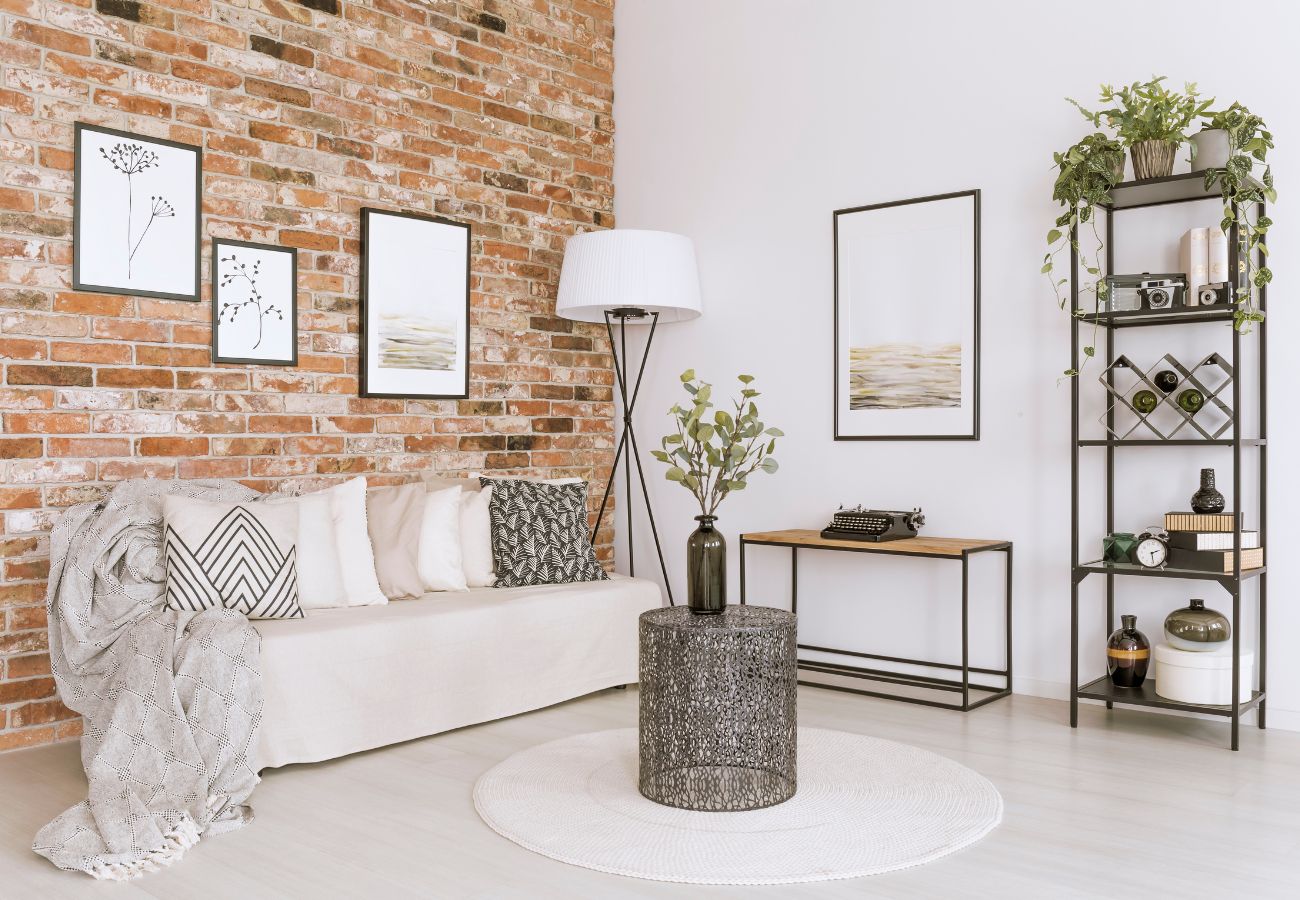
Let’s face it: dust accumulates on open shelves. However, the inconvenience can be reduced. Because matte finishes show less dust than glossy ones, choose them. Steer clear of elaborate décor with cracks. Adhere to clean, smooth surfaces. Additionally, a smaller surface area means less cleaning when you style with fewer items.
Lean toward functional styling for homes with lots of activity (children, pets, frequent entertaining). Just two or three sturdy, easily cleaned items should be on display, and 80% of the storage should be in closed baskets. Even on hectic days, your shelves will remain attractive.
To keep shelves looking new, follow this maintenance checklist:
| Frequency | Action |
|---|---|
| Weekly | Use a microfiber cloth to quickly wipe |
| Monthly | Take everything out, dust the shelf, and remove anything that isn’t needed. |
| Seasonally | Replace one piece of décor and inspect it for wear or fading. |
| Yearly | Examine the layout again to see if it still suits your needs and style. |
Edit Like a Curator, Not a Collector
It’s more about what you leave out than what you put in when styling open shelving. Space, quiet, and simplicity are the hallmarks of a modern living room. Your shelves shouldn’t feel like a covert storage solution; rather, they should resemble a well-curated gallery wall. Follow your color story, start small, and apply the 60-30-10 rule. Additionally, keep in mind that something shouldn’t be on display if it doesn’t calm or serve you.
We offer a variety of contemporary wall units and modular shelving made especially for urban settings, made for both aesthetics and functionality, whether you’re remodeling your living area or updating your shelving system. To find a solution that fits your space, your style, and your daily routine, stop by or schedule a free design consultation.