












Design Tips
What Is Biophilic Design and How Can You Use It in a Modern Home?
Jul
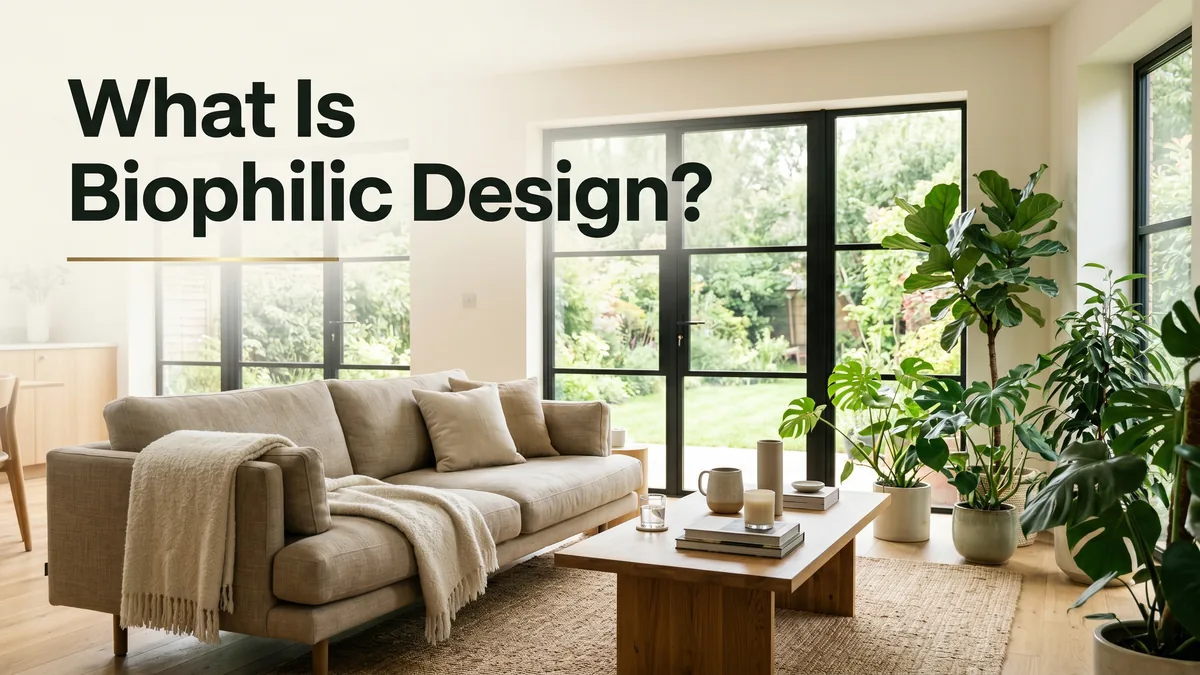
What is biophilic design, and how do you bring it into a modern home without turning the living room into a greenhouse? In short, biophilic design is the practice of weaving nature into the spaces we live in, through natural light, organic materials, living plants, and forms borrowed from the outdoors, so a room feels calmer and more alive. Done well, it sits beautifully alongside clean contemporary lines, which is exactly why our interior design team in the GTA keeps returning to it.
The idea is not new. People have always felt better near a window, beside wood grain, or within sight of greenery. What is new is the deliberate, design-led way modern homes now use those instincts. This guide breaks biophilic design down the way a designer reads it: what it is, how it works, who it suits, where it goes wrong, and how to combine it with the living room furniture you already love.
In This Article
What Is Biophilic Design?
Biophilic design is an approach to interiors that treats our connection to nature as a design requirement rather than a decorative afterthought. The term comes from biophilia, a word the biologist Edward O. Wilson popularized to describe the human tendency to seek connection with living things. Translated into a home, it means designing for daylight, fresh air, natural texture, and the presence of plants instead of fighting against them.
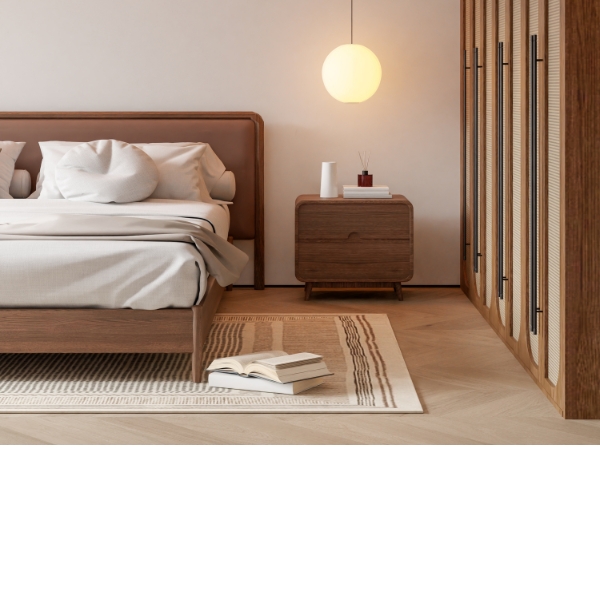
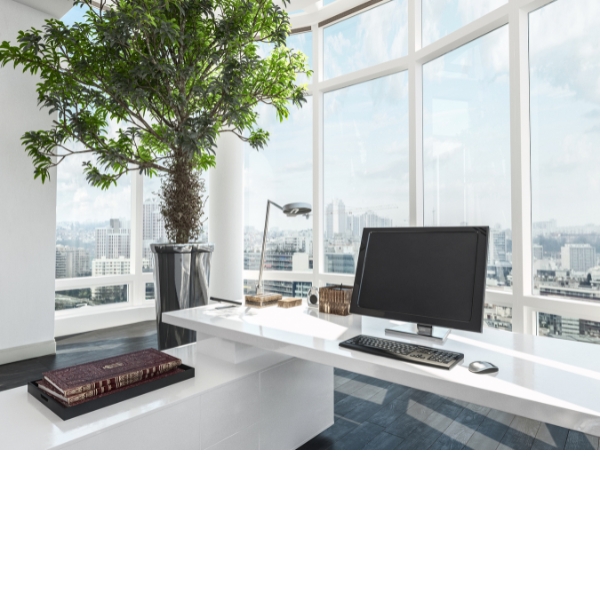
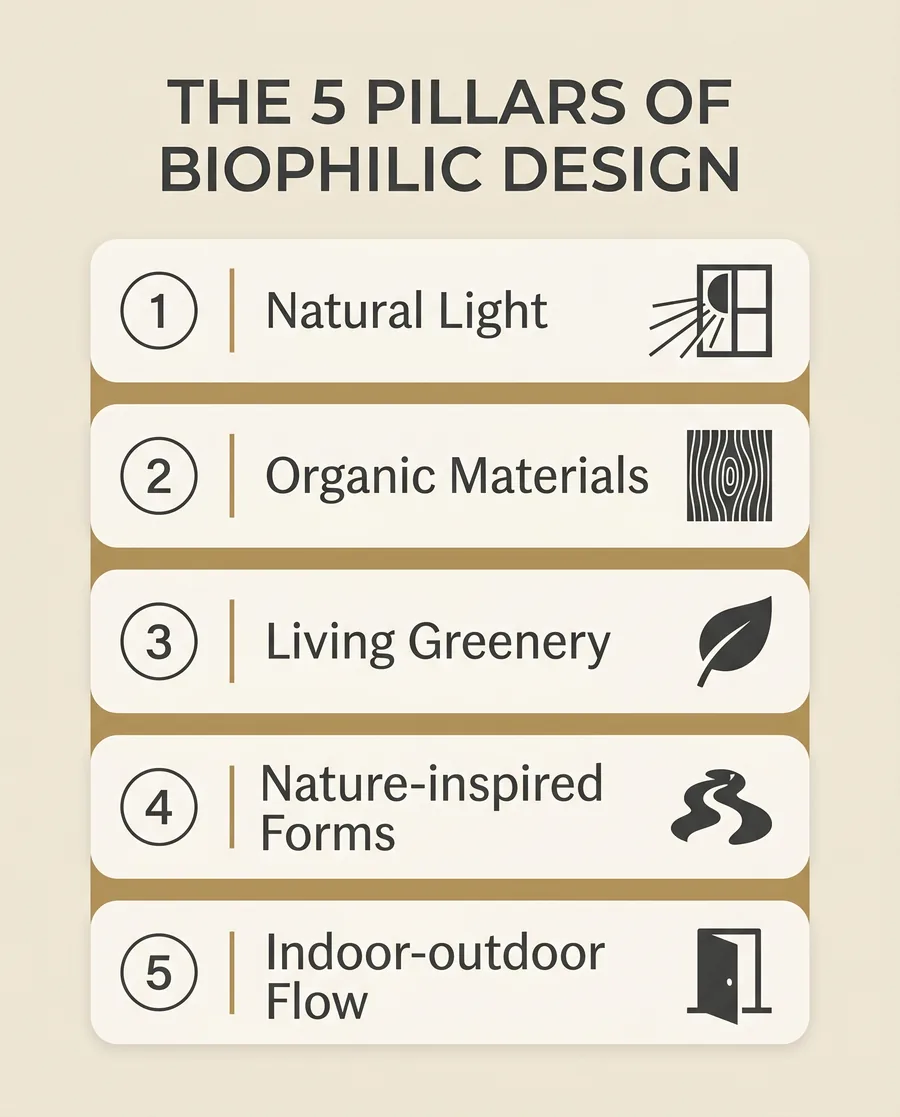
In practice, designers tend to work across five pillars. The first is natural light, maximized through unobstructed windows and reflective surfaces. The second is organic material: real wood, stone, wool, linen, leather, and rattan rather than high-shine synthetics. The third is living greenery, from a single sculptural fig to a quiet wall of trailing plants. The fourth is nature-inspired form, the soft curves and irregular shapes you see in a river stone or a tree canopy. The fifth is a sense of flow between inside and out, achieved with sightlines, layered planting, and materials that carry from patio to living room.
Did You Know: Biophilia Is Measurable, Not Just a Mood
Research compiled by the design consultancy Terrapin Bright Green found that views of nature and the presence of natural elements indoors are associated with lower stress markers and better focus. That is part of why hospitals, offices, and now homes increasingly treat greenery and daylight as functional design tools, not just pretty extras. A plant on the sideboard is doing more work than it looks like.
How It Works on the Body and the Room
A biophilic room works on two levels at once. On a human level, daylight helps regulate the body clock, natural textures invite touch, and greenery gives the eye somewhere soft to rest. People describe these spaces as calming without always being able to say why. On a design level, the same elements add depth: wood grain breaks up flat planes, plants soften hard architecture, and shadows from real foliage give a room movement that no printed wallpaper can fake.
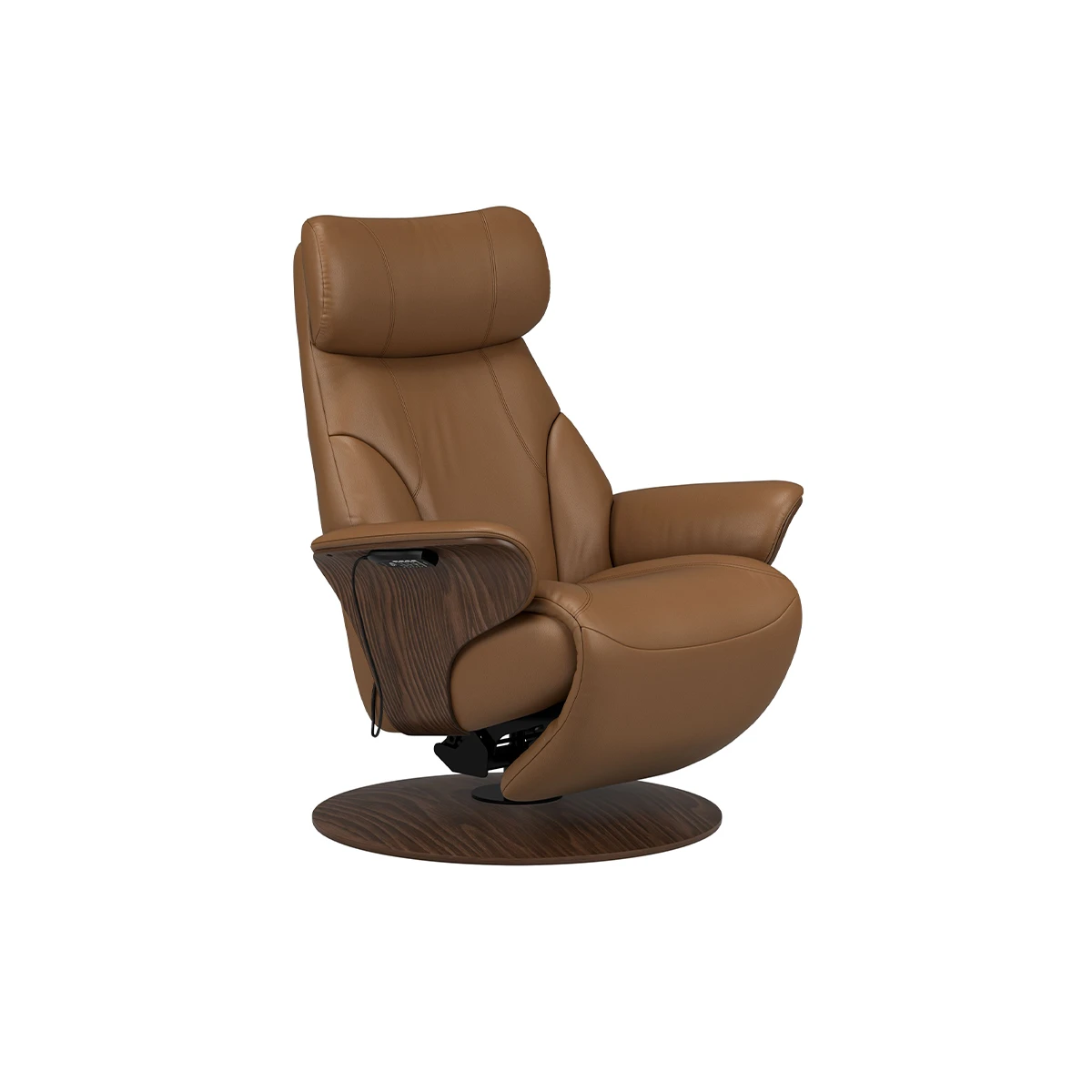
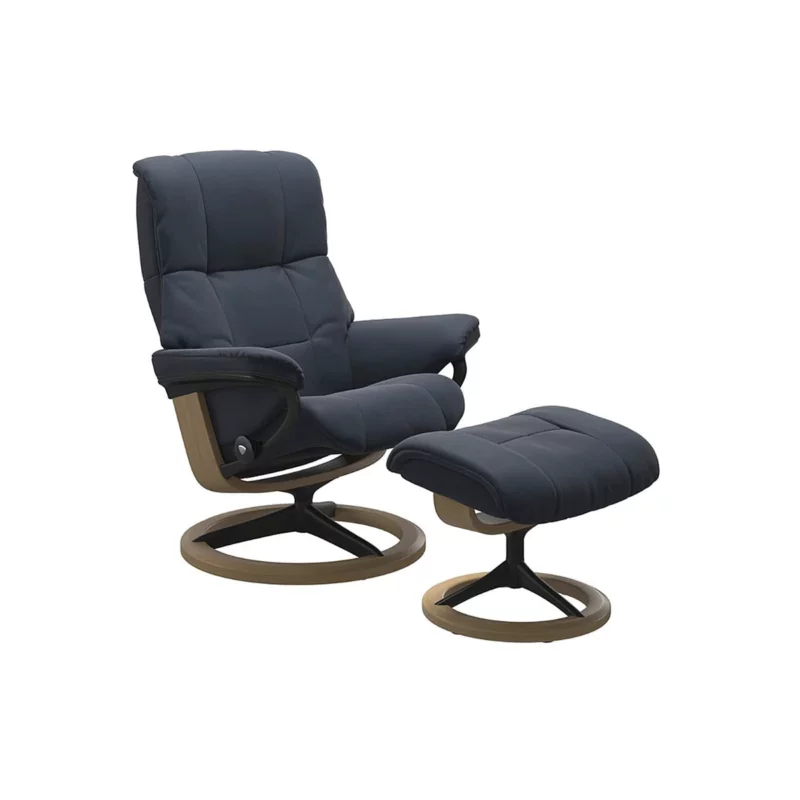
The most successful examples are restrained. A modern home does not need a jungle to feel biophilic. It needs a few honest natural materials, one or two well-placed plants, and light allowed to do its job. The goal is a room that feels gathered rather than busy, which is the same instinct that drives good contemporary furniture, including thoughtfully designed modern luxury reclining chairs that blend organic comfort with sleek, minimalist forms.
People Often Ask: Does Biophilic Design Work in a Toronto Condo with Little Light?
It does, with a few adjustments. In a north-facing GTA condo, lean on light-toned natural wood, mirrors placed to bounce what daylight you have, and low-light-tolerant plants such as the snake plant, ZZ plant, or pothos. Keep window sightlines clear, choose sheer rather than heavy drapery, and let the organic materials carry the natural feel where greenery struggles. A small, bright-enough space can feel more connected to nature than a large, dim one packed with foliage that slowly fades.
Who Does a Biophilic Home Suit Best?
Biophilic design tends to reward people who spend long hours at home and want the space to feel restorative rather than stimulating. It suits remote workers, families who treat the living room as the heart of the house, and anyone drawn to the quiet, warm-modern look that has replaced cold minimalism in recent years. It is a natural fit for the clean Italian and contemporary pieces many GTA homeowners already favour, because both prize honest materials and uncluttered form.
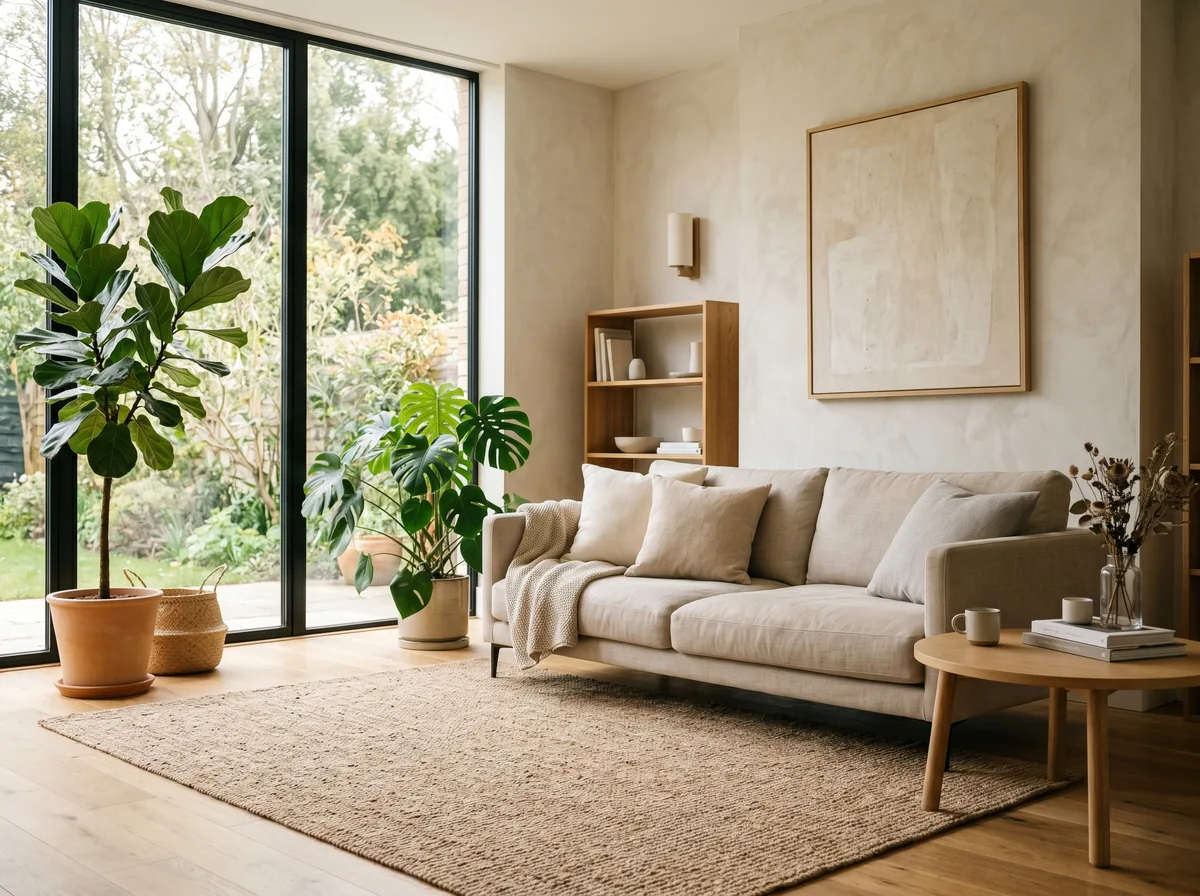
It is less suited to people who travel constantly and cannot care for plants, or to homes where every surface needs to be wipe-clean and hard-wearing above all else. The good news is that biophilic design is a dial, not a switch. You can borrow its calm with materials and light alone and add living greenery only as much as your routine allows.
Where Biophilic Design Goes Wrong
Please Note: The care and styling tips here are general guidance only. Modern Sense Furniture is not responsible for any damage or cost resulting from action taken based on this content. Finishes and materials differ widely between makers and collections, so always confirm the manufacturer’s recommended cleaning and care instructions for your specific piece before applying any product, and test on a hidden area first.
The most common mistake is mistaking quantity for connection. A wall of plants nobody can keep alive is not biophilic design, it is a maintenance problem. The second mistake is theming the room so literally that it reads as a garden centre, with leaf prints, faux grass, and novelty planters fighting the architecture. The third is ignoring the materials and chasing only greenery, which leaves the bones of the room as cold as ever.
Pro Tip: Choose the Plant for the Spot, Not the Spot for the Plant
Before you buy a single plant, look at where the light actually falls through the day. Match the plant to that reality, a fiddle-leaf fig for the bright corner, a snake plant for the dim hallway, and you will have living greenery that thrives instead of a rotating cast of casualties. The same logic applies to materials: pick natural finishes that suit how the room is really used, so they age gracefully rather than wearing out.
How to Combine It with Modern Furniture
This is where biophilic design and modern furniture meet, and they meet well. Contemporary pieces give you the clean lines and calm palette; nature gives you the warmth and texture that keep clean from tipping into cold. A few designer moves carry most of the effect.
- Anchor with one natural material. A solid oak or walnut coffee table, a travertine side table, or a wool boucle chair gives the room a tactile centre of gravity that plastic and gloss cannot.
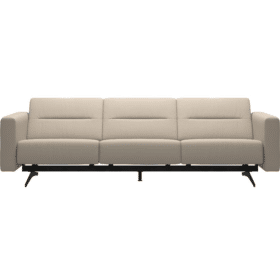
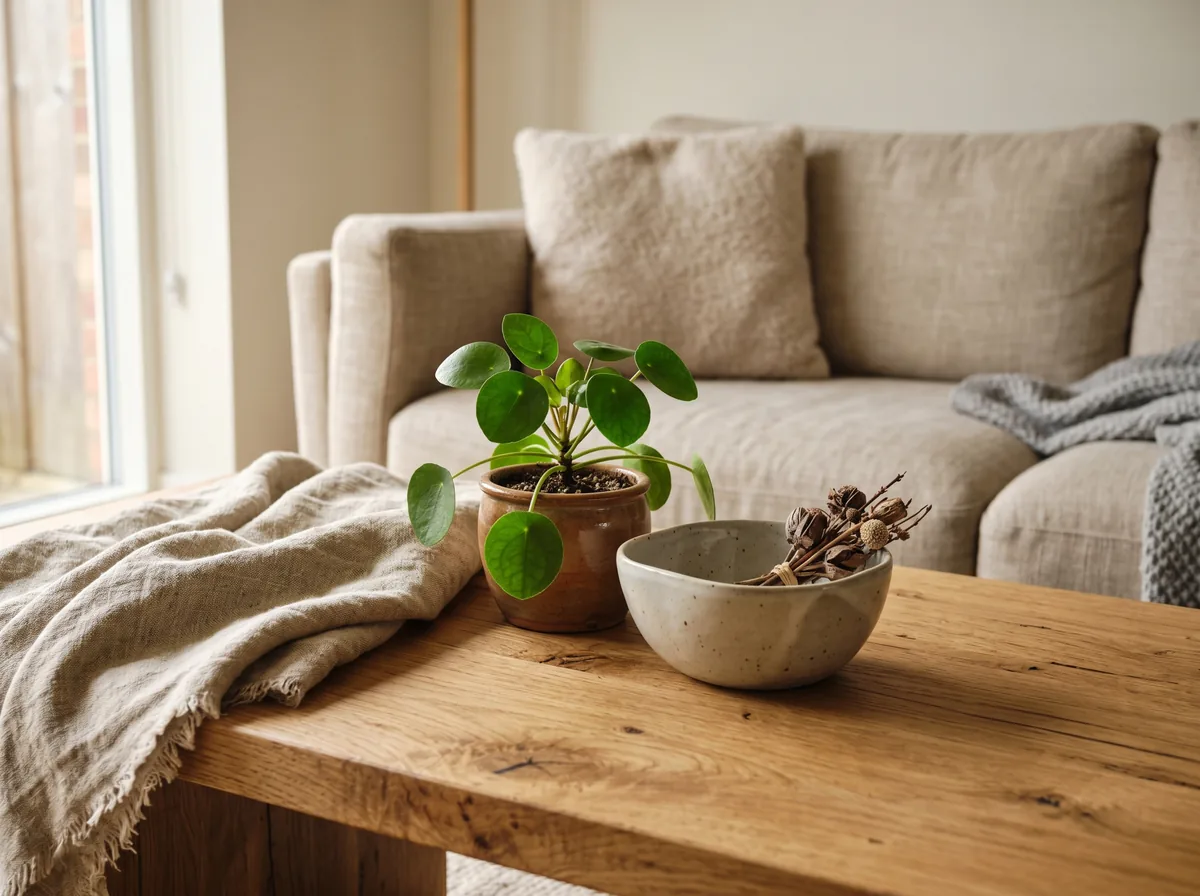
- Let your sleek modern sectional sofa stay simple, dress it with texture. Linen and wool throws, a leather pouf, and a jute rug add the organic layer without changing the furniture itself.
- Frame a view. Arrange seating so the eye lands on a window, a plant grouping, or both. The sightline is doing biophilic work for free.
- Mix materials with intent. Pairing wood, glass, and metal the way nature mixes textures keeps a modern room from feeling flat.
If you want a tighter materials palette to build on, our guide to wood finishes in modern furniture is a good companion piece, and the way we approach mixing wood, glass, and metal shows the same instinct applied to dining rooms.
What It Costs to Layer In
Pricing Note: The figures on this page reflect typical market ranges in Toronto and the GTA as of 2026. What you actually pay depends on the brand, collection, materials, finish, and any customization. Always confirm current pricing and specifications with the maker or in our showroom before you buy.
Biophilic design scales to almost any budget, because it is more about choices than spend. The ranges below are rough GTA starting points to help you plan, not firm quotes.
| Layer | Typical GTA Cost (2026) | Effect |
|---|---|---|
| Plants and planters | $40 to $400 | Living greenery, the fastest visible change |
| Natural-fibre rug and textiles | $200 to $1,500 | Warmth, texture, sound softening |
| A solid-wood or stone accent table | $600 to $3,000 | A tactile, lasting natural anchor |
| Window treatments for better light | $300 to $2,000 | More daylight, softer privacy |
| A natural-material statement chair | $900 to $4,000+ | A focal point in wood, boucle, or leather |
You do not have to do it all at once. Start with light and one natural material, add greenery as your routine allows, and let the look build. If you would rather plan the whole room at once, a design consultation can map the layers to your space and budget.
Frequently Asked Questions
Download the Free Quick Guide
A printable, room-by-room checklist for light, materials, and greenery so you can layer the look in at your own pace.