













Furniture Buying Guides, Living Room Ideas
Statement Pieces vs. Staples: Where to Invest in Modern Living Room Furniture
Jul
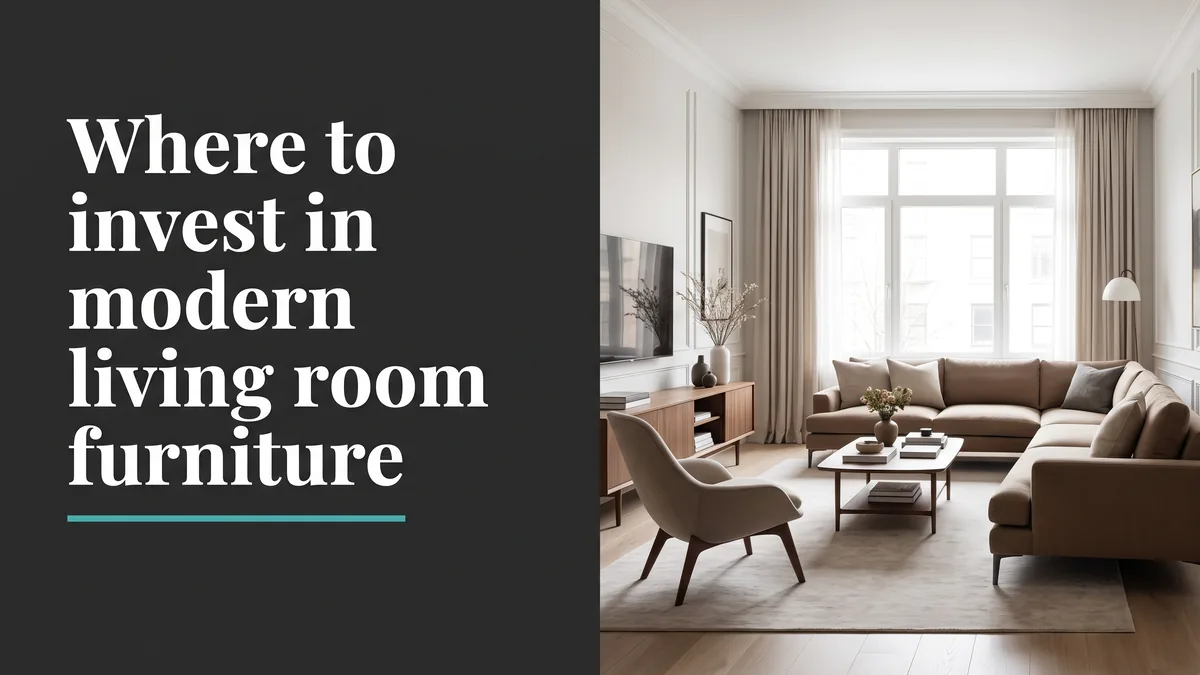
The smartest way to think about a modern living room furniture investment is not “buy the best of everything.” It is knowing which two or three pieces carry the room and deserve real money, and which ones you can treat as flexible staples that come and go. Put your budget into the frame that anchors the space, like a well-built sofa or sectional from a good modern living room furniture collection, and the rest of the room gets easier and cheaper to pull together.
Spend evenly across a dozen items and you end up with a room full of things that are fine and nothing that feels considered. The goal here is the opposite: a few pieces that earn their keep for a decade, surrounded by accents you can swap when your taste shifts.
In This Article
The One Rule Behind a Smart Living Room Budget
Buy the things you touch and sit on every day at the highest quality you can manage, and buy everything else at the price that fits your plan. A sofa takes body weight, spills, and daily use for years, so a frame that sags or foam that flattens after eighteen months costs you more than it saved. A decorative throw or a side table does not carry that load, so it does not need to carry that price tag either.
This is why a modern living room furniture investment pays off when it is concentrated. A kiln-dried hardwood frame, high-resiliency foam, and quality upholstery are the difference between a piece you re-cover once and a piece you replace twice. The Sustainable Furnishings Council explains why construction and materials, not just the look, decide how long a piece lasts, which you can read about through the Sustainable Furnishings Council.
Pro Tip
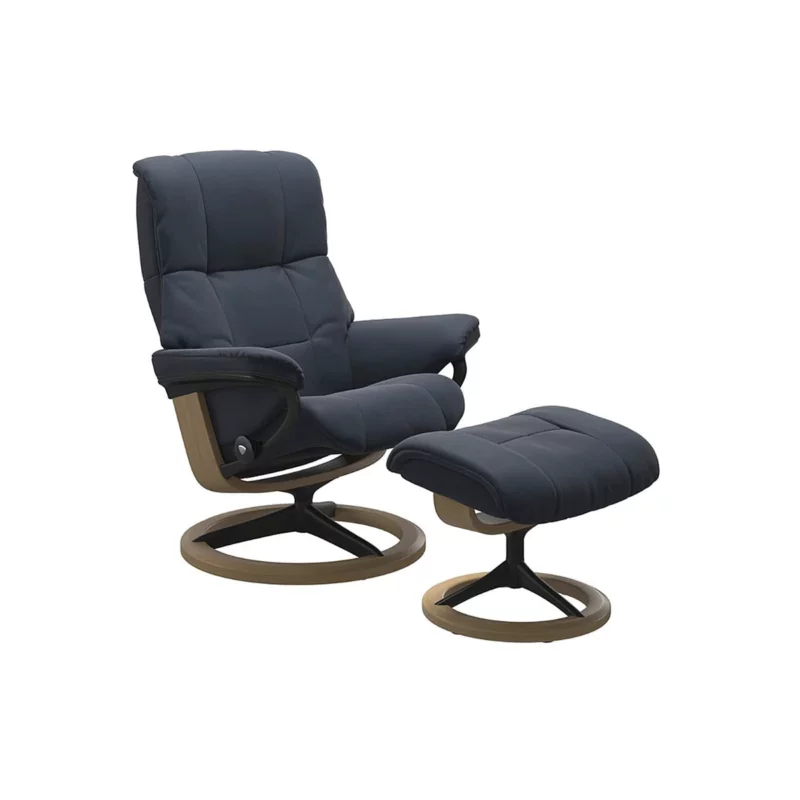
Before you shop, name the three pieces you will keep the longest. For most living rooms that is the sofa or sectional, one seat you actually relax in, and the piece your television lives on. Protect the budget for those three first, then divide what is left across everything else. When you are looking for that perfect seat, consider stopping by our Stressless showroom to test out styles that blend modern aesthetics with lasting ergonomic support.
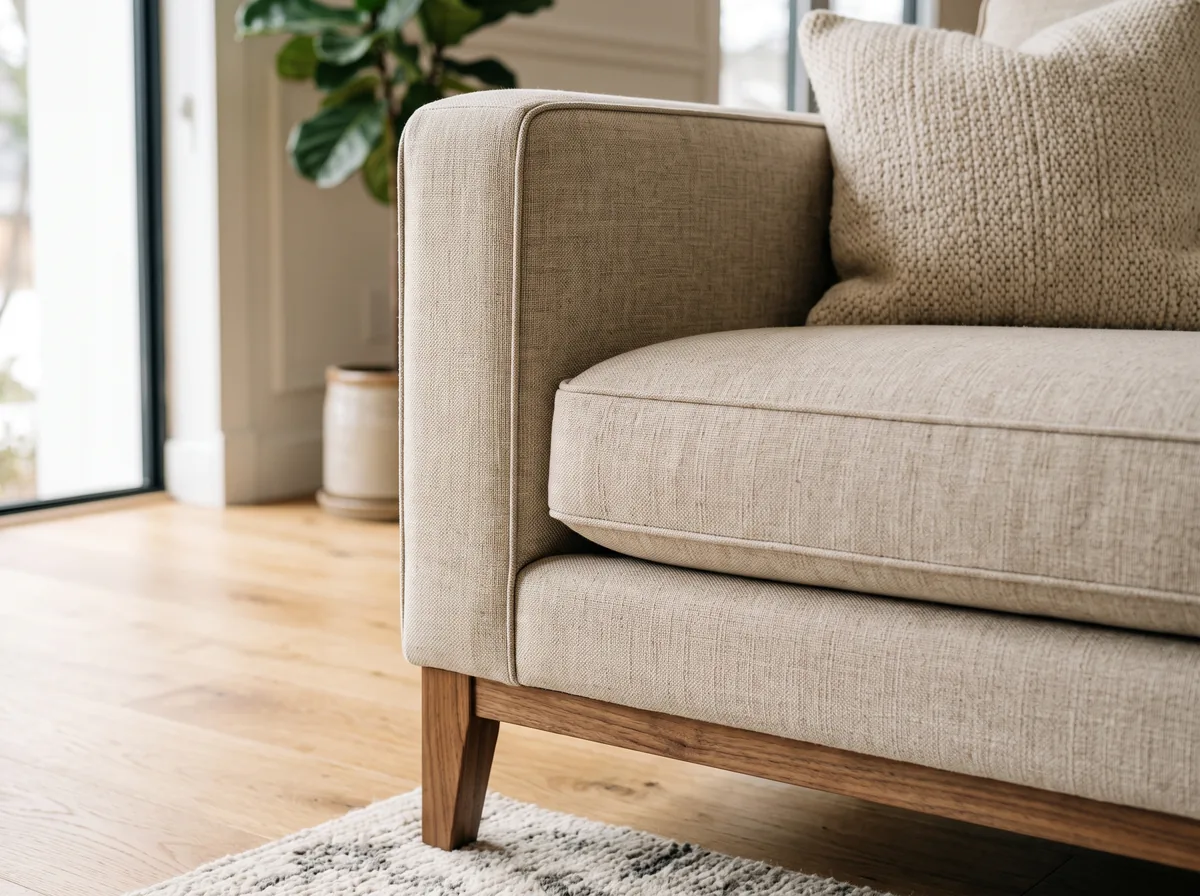
Where to Spend: Pieces Worth the Investment
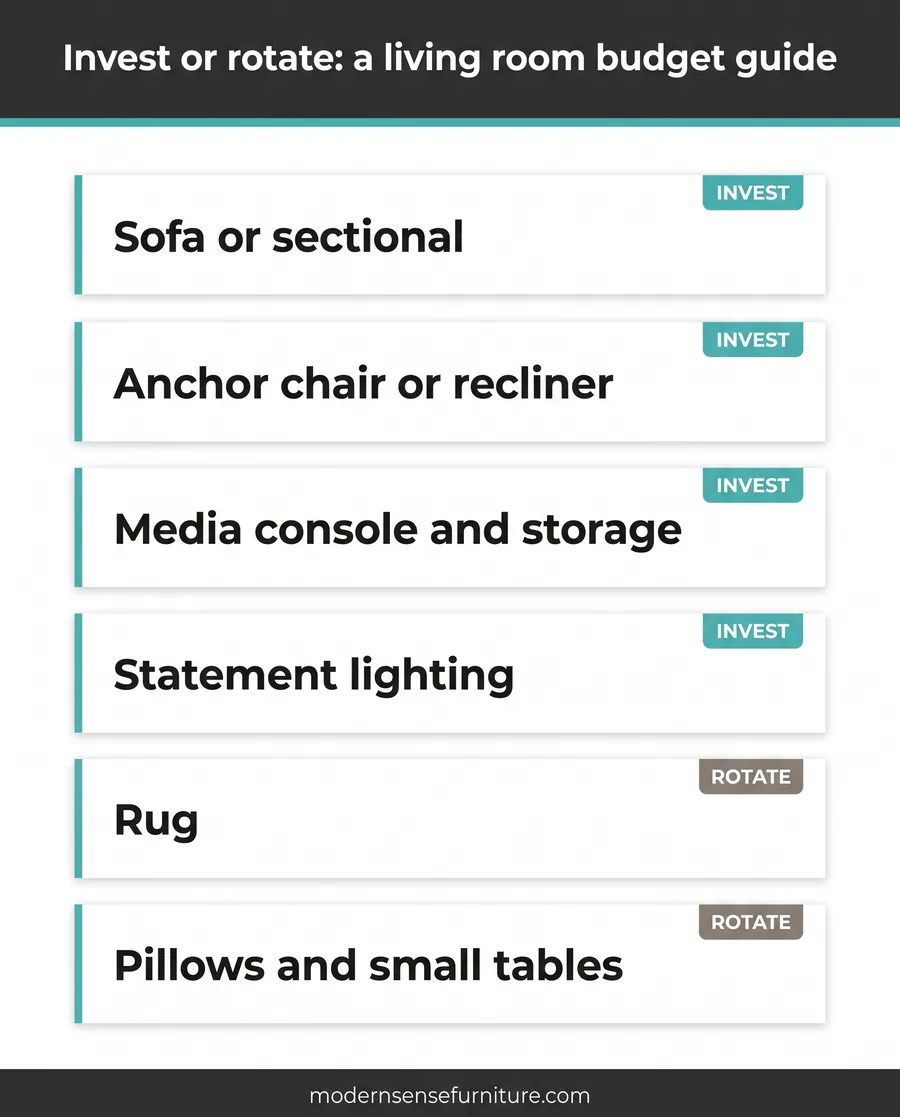
A short list of hardworking pieces deserves the lion’s share of your money. These are the items that set the tone, get used hardest, and are the most painful to replace early.
- The sofa or sectional. It is the largest object in the room and the one everyone uses, so a quality frame and seat cushion are worth every dollar.
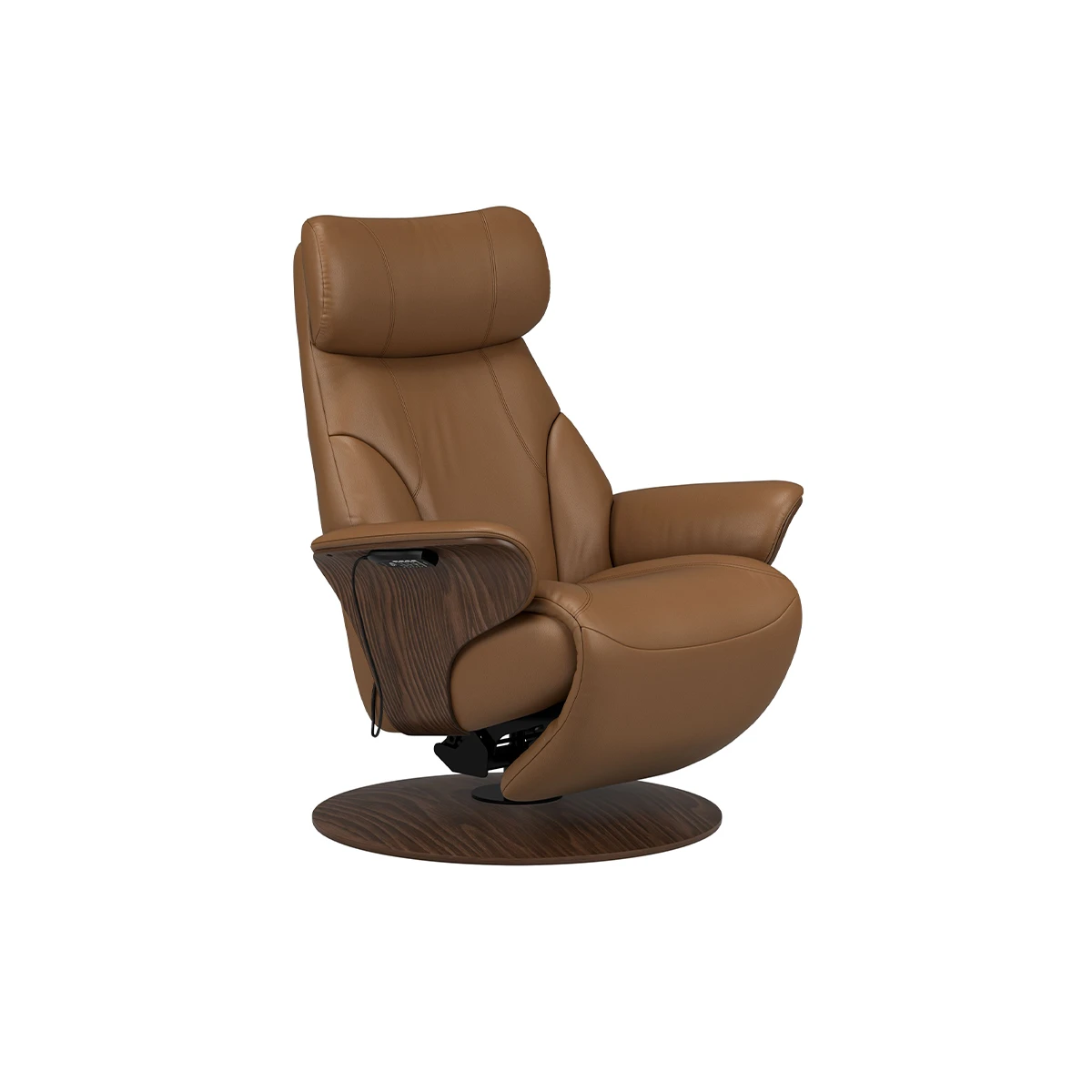
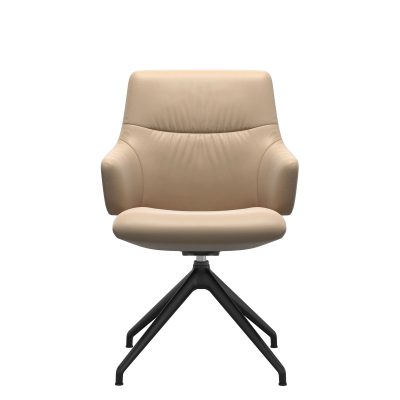
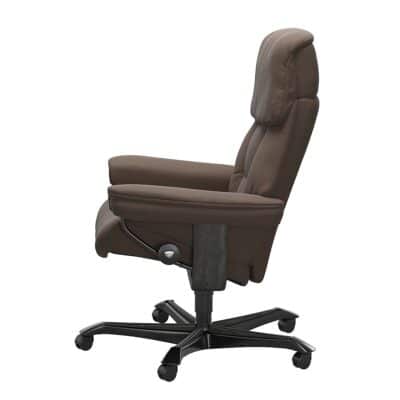
- One anchor seat. A single well-made lounge chair or one of our ergonomic reclining chairs gives you a spot that feels genuinely good and reads as intentional next to the sofa.
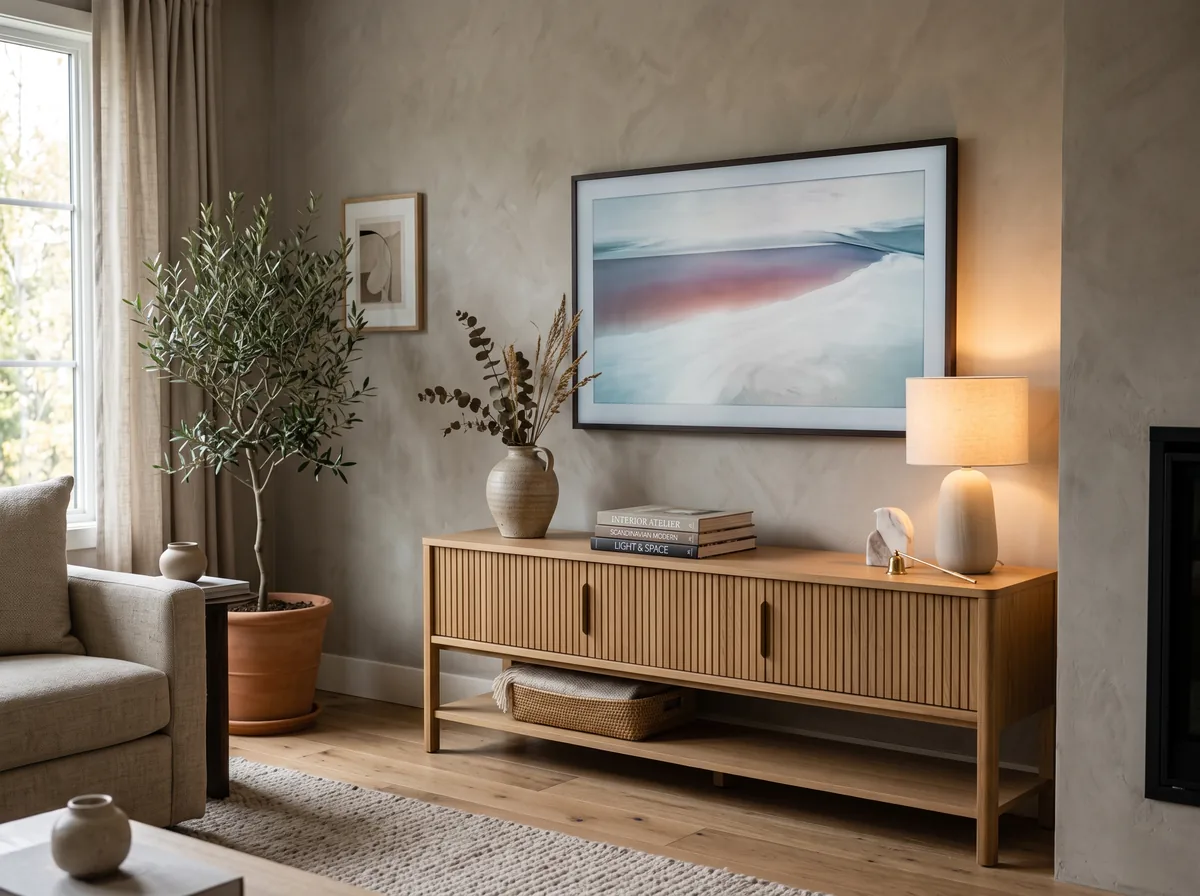
- The media console or storage piece. A solid, well-finished console hides cables, survives daily use, and holds the media wall together.
- Lighting that does real work. One sculptural floor lamp or a proper pendant changes the room at night more than another cushion ever could.
Did You Know
The seat cushion is where cheaper sofas fail first. Better pieces use high-density foam wrapped in down or fibre, which holds its shape for years. Bargain sofas often use low-density foam that compresses within a season, so the sofa looks tired long before the fabric wears out. It is the part you cannot see that decides how long you keep it.
Where to Save: Staples You Can Rotate
The flip side is just as important. A long list of items add style without taking daily abuse, so paying premium prices for them ties up money you could put into the pieces that matter. Treat these as staples you refresh every few years as your taste moves.
- Throw pillows and blankets. The cheapest way to change a room’s mood, so keep them flexible rather than expensive.
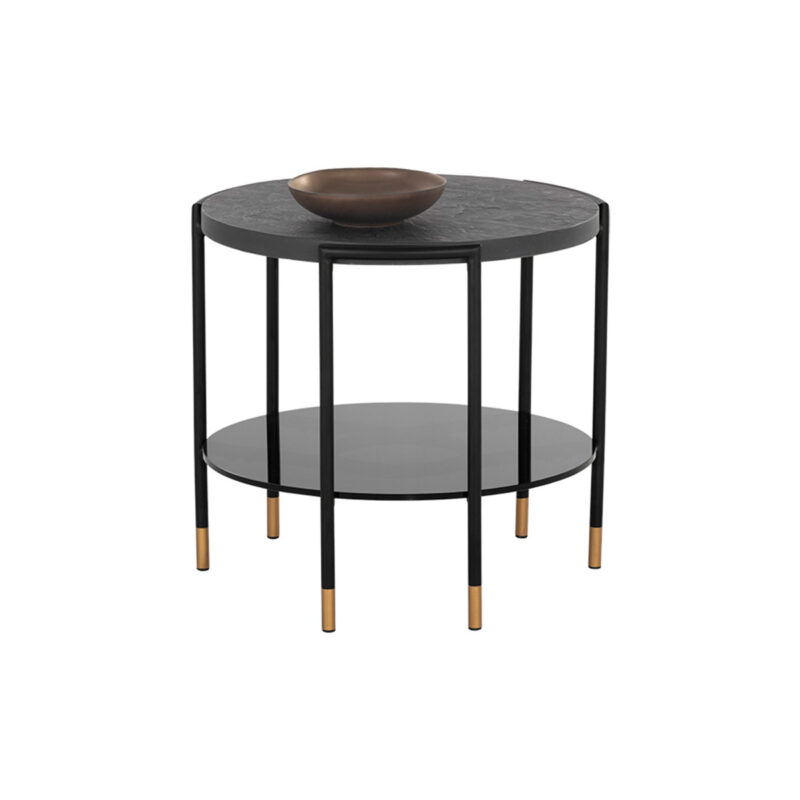
- Small side tables and stools. Useful, movable, easy to replace, and rarely the star of the room.
- Rugs, within reason. A good rug matters, but you do not need the priciest one to define a seating zone.
- Trend-driven accents. Anything you love mainly because it is current belongs in the rotate pile.
None of this means buying disposable furniture. It means matching the price of each piece to how hard it works. If you want a deeper read on why cutting corners on the big pieces backfires, our guide on the real cost of a cheap sofa lays out the math.
Save Your Money
Buy the sofa first and the accents last. When you start with the anchor piece, its colour, scale, and material tell you exactly what pillows, rugs, and side tables to add, and how little you actually need. Shopping the other way around usually means buying accents twice.
How to Split a Living Room Budget
Every room is different, but a simple split keeps you honest. The ranges below show where designers tend to put the money in a full living room refresh, and which category each piece belongs to. Treat them as planning guidance, not fixed rules.
| Piece | Rough share of budget | Invest or rotate | Why |
|---|---|---|---|
| Sofa or sectional | 35 to 45 percent | Invest | Daily use, hardest to replace, sets the scale |
| Anchor chair or recliner | 12 to 18 percent | Invest | Comfort you notice, adds a second real seat |
| Media console or storage | 10 to 15 percent | Invest | Hides tech, takes daily wear, anchors the wall |
| Lighting | 8 to 12 percent | Mixed | One statement piece, the rest can be modest |
| Rug | 6 to 10 percent | Mixed | Defines the zone without needing to be the priciest |
| Accents, pillows, small tables | 8 to 12 percent | Rotate | Cheap way to refresh, swap as taste shifts |
These percentages are general planning figures, not a quote, and every space and budget is different. Actual pricing depends on size, materials, brand, and configuration. Confirm dimensions, specifications, and suitability with a design consultant before purchase. Modern Sense Furniture is not liable for outcomes from decisions made on this content alone.
How to Plan Your Spend in Five Moves
The steps below are general guidance for planning a purchase, not a promise of any specific result. Measure your own space and confirm every dimension and material with a design consultant before you buy.
- Set one total number. Decide the full amount for the room before you look at a single piece, so you shop against a plan instead of a feeling.
- Measure the room and the doorways. Note wall lengths, walkways, and the path furniture has to travel to get inside. Scale mistakes are the most expensive mistakes.
- Pick your anchor first. Choose the sofa or sectional, lock in its size and material, and let it set the palette for everything else.
- Fund the daily-use pieces next. Add the anchor chair and the media or storage piece before you touch the accents. For example, allocating funds to stressless furniture ensures superior comfort without sacrificing style.
- Leave the accents for last. Buy pillows, small tables, and decorative lighting once the big pieces are in, when you can see exactly what the room still needs.
People Often Ask: Is It Better to Buy a Living Room Set or Piece by Piece?
Piece by piece almost always gives a better room. Matched sets look coordinated in a showroom but flat at home, and they force you to pay the same quality level for the coffee table as the sofa. Building the room around one strong anchor and adding complementary pieces lets you spend where it counts and keeps the space from looking like a catalogue page.
“Best money I spent was on the sofa. Everything else in that room has been swapped out twice, but the couch still looks and feels great six years later. Wish someone had told me that before my first apartment.”
r/HomeDecorating member, 2024
Download the Free Quick Guide
A one-page planner to decide which pieces to invest in and which to rotate before you shop.
Frequently Asked Questions
Not sure where your budget should go? The design team at Modern Sense Furniture can help you build a living room around the right anchor pieces, with interior design consultation for homeowners across North York, Vaughan, Richmond Hill, and the wider GTA. Book a consultation and put your money where it actually counts.