













Design Tips, Luxury Furniture, Modern Furniture
Sustainable Modern Furniture in Toronto: What to Look For in 2026
Apr
Five years ago, calling a sofa ‘sustainable’ was a marketing slogan. In 2026, it’s a question with actual answers, and Toronto buyers are starting to ask harder questions before they spend $4,000 on a piece they want to keep for fifteen years. The trouble is that the furniture industry has gotten very good at the language of sustainability and not always as good at the practice. A tag that says ‘eco’ or ‘natural’ or ‘made with care’ is decoration, not certification. Here’s what the labels actually mean, what to look for when you’re shopping for modern living room furniture.
FSC certification is the floor, not the ceiling
If a wood piece is sold as sustainable and doesn’t carry an FSC (Forest Stewardship Council) certification, treat the claim with suspicion. FSC isn’t perfect, but it’s the most widely recognized chain-of-custody certification for sustainably managed forests. Look for the FSC logo on the tag or product page, plus a license number you can verify on fsc.org. The same applies to PEFC (Programme for the Endorsement of Forest Certification), which is roughly equivalent. Anything else, including ‘responsibly sourced’ or ‘eco-friendly hardwood’, is a marketing phrase, not a verifiable claim.
Reclaimed wood is the gold standard, with caveats
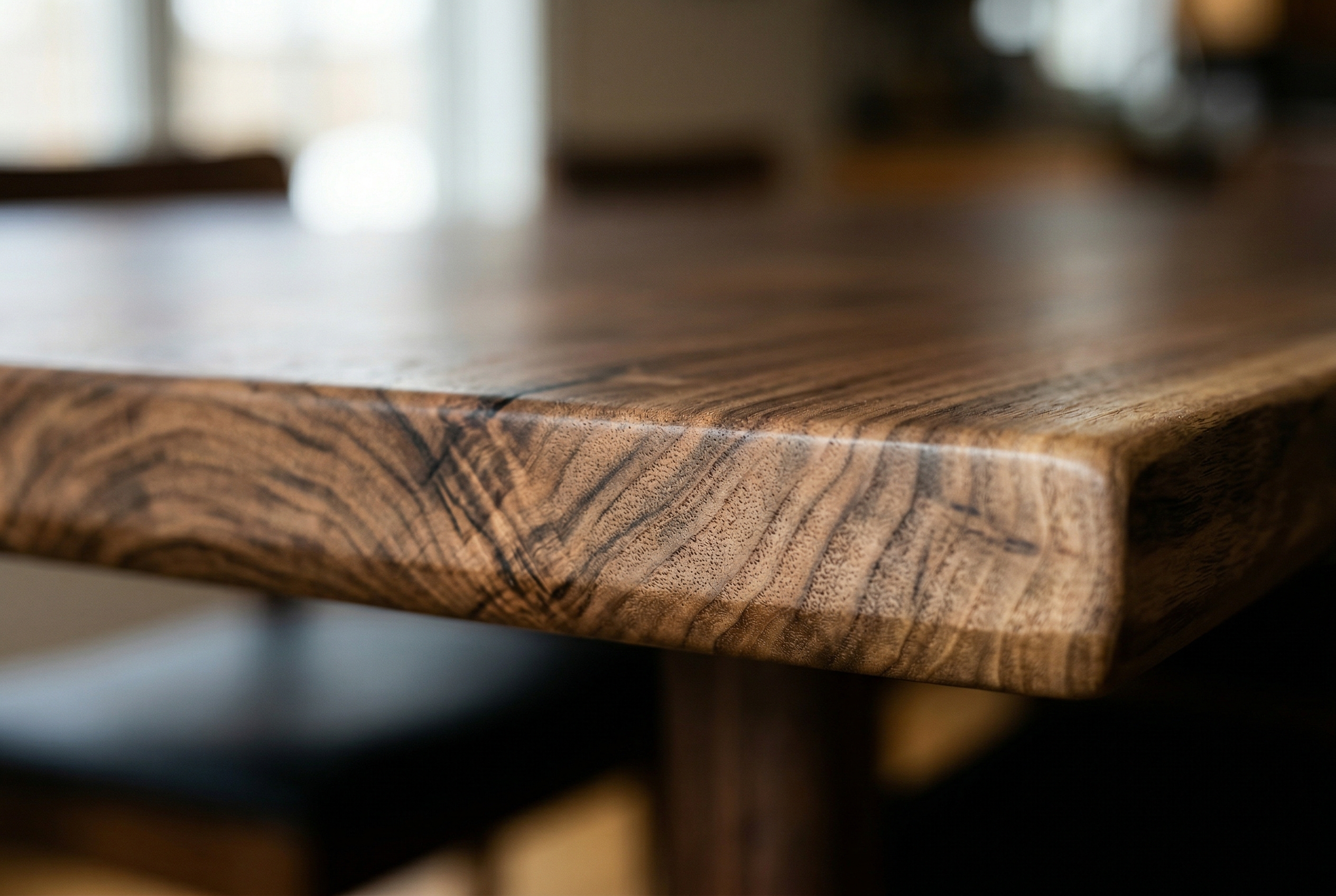
Reclaimed wood from old barns, factories, or shipping pallets is genuinely carbon-negative furniture. The tree was cut decades ago, the carbon is locked in the wood, and the alternative is the wood ending up in a landfill. The caveat: ‘reclaimed’ is unregulated. Real reclaimed pieces have visible nail holes, checking, oxidation marks, and inconsistent grain. Furniture-grade ‘reclaimed-look’ boards are usually new wood distressed in a factory, which is the opposite of sustainable. If a piece is labelled reclaimed but every board looks identical, it isn’t.
The mattress and upholstery problem
A solid wood frame is only half the picture. The other half is what you sit and sleep on. The least sustainable part of most sofas is the foam (petroleum-based) and the fabric (synthetic, often laced with stain treatments and flame retardants). Look for GOTS-certified organic cotton or linen, GOLS-certified natural latex foam, or wool batting. Greenguard Gold certification means the piece has been tested for low VOC emissions, which matters more than most buyers realize once you have the sofa in your living room for ten years.
Recycled metal is easier than recycled plastic
Steel and aluminum recycle infinitely without losing structural quality, which is why a lot of modern furniture frames now use recycled-content metal. Ask for the percentage. A coffee table base with 80 percent recycled steel content is meaningfully different from one with ‘recycled materials.’ Recycled plastic furniture is trickier: it’s better than new plastic, but plastic furniture has a much shorter useful life than wood or metal, so the sustainability math is harder to make work.
Made in Canada matters more than you think
Carbon footprint isn’t only about materials. A solid oak table built in Quebec from Quebec hardwood and shipped to Toronto has a fraction of the embedded carbon of an identical table built in Vietnam from Indonesian wood, regardless of how the wood was harvested. Local production also tends to mean better labour practices and easier warranty service. Ask where each major piece is actually built, not just where the company is headquartered.
The longevity test
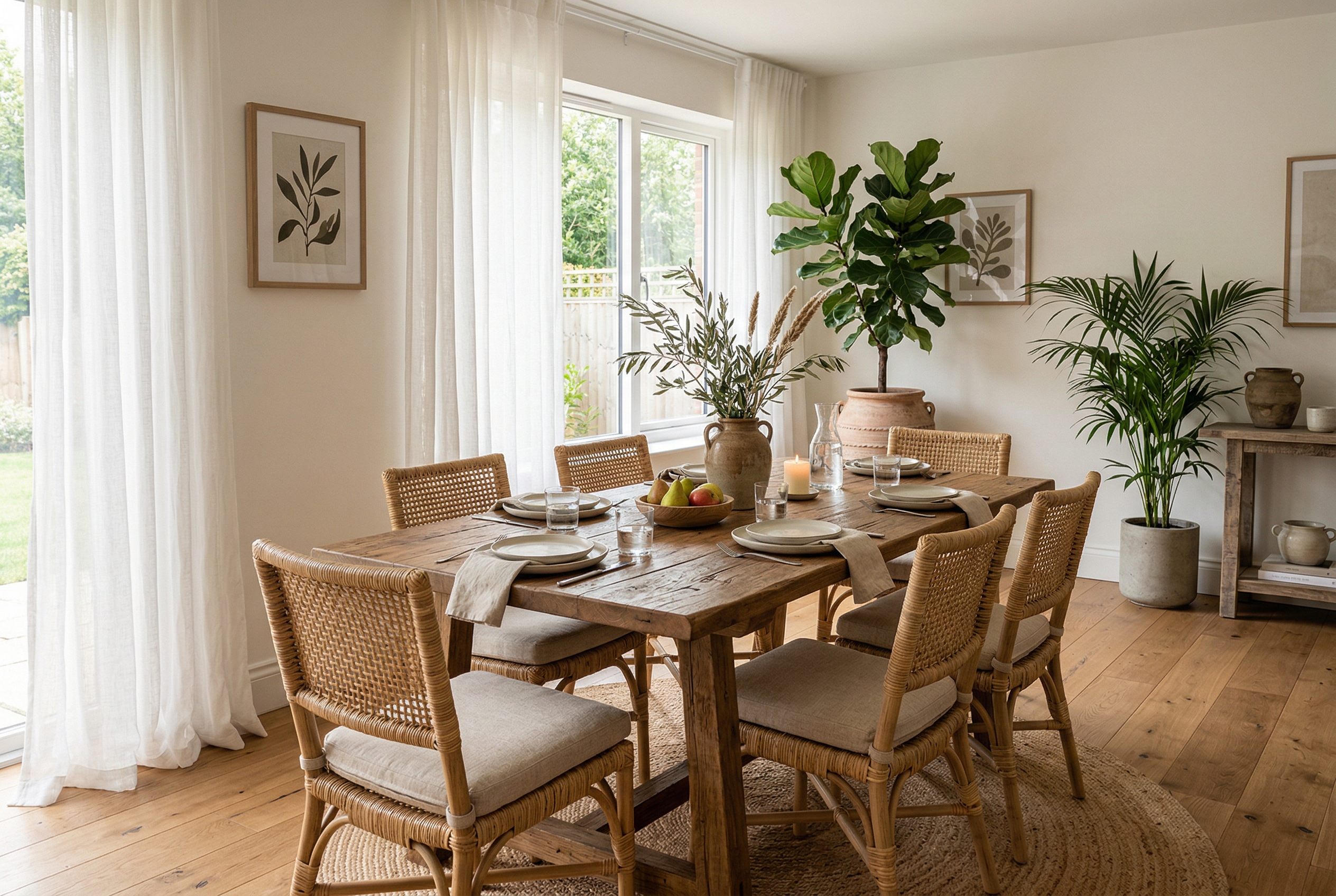
The most sustainable piece of furniture is the one you don’t replace. A $400 fast-furniture sofa that lives three years and then goes to landfill is far worse for the planet than a $3,000 well-built sofa you keep for fifteen. When you’re evaluating a piece, ask: kiln-dried hardwood frame? Eight-way hand-tied or sinuous spring suspension? Removable, replaceable cushions? Repairable joinery? A 10-year structural warranty? Those are the markers of furniture you’ll still have a decade from now.
Greenwashing red flags to ignore
Three claims should set off your alarm: ‘eco-friendly’ with no certification listed, ‘sustainable wood’ with no species or origin named, and any reference to a tree-planting program as the sustainability story. Tree-planting offsets are the carbon-credit equivalent of a participation trophy: nice gesture, not a substitute for actually building furniture out of responsibly sourced materials. The brands doing this work properly will tell you the species, the origin, the certification number, and the warranty without being asked twice.
Frequently asked questions
Is FSC certification actually meaningful?
Yes, with limits. FSC is the most rigorous chain-of-custody certification widely available, but it doesn’t guarantee zero impact. It guarantees the wood came from a managed forest with documented practices. For furniture buyers, FSC is the practical minimum bar for claiming a piece is sustainable.
How can I tell if reclaimed wood is real?
Real reclaimed wood has inconsistent grain, visible nail holes, oxidation, weather checking, and slightly varied board widths. Factory-distressed ‘reclaimed-look’ wood looks too uniform. Ask for the source: a real reclaimed piece can usually be traced to a specific barn, factory, or building.
Are leather sofas sustainable?
It’s complicated. Vegetable-tanned leather from byproduct hides has a defensible sustainability story, especially compared to PU ‘vegan’ leather, which is plastic. Chrome-tanned leather has heavier environmental costs. Look for LWG (Leather Working Group) certification.
Does buying local Canadian furniture really make a difference?
Yes. Shipping a sofa from Asia to Toronto can account for 30 to 50 percent of its total carbon footprint. Locally built furniture, especially from Quebec or Ontario, cuts that drastically and supports stricter labour and environmental standards.
What’s the single most sustainable furniture choice?
Buying once and buying well. A solid hardwood, kiln-dried, eight-way-hand-tied piece you’ll keep for 15 years beats any ‘eco’ fast-furniture purchase, no matter what the tag says.